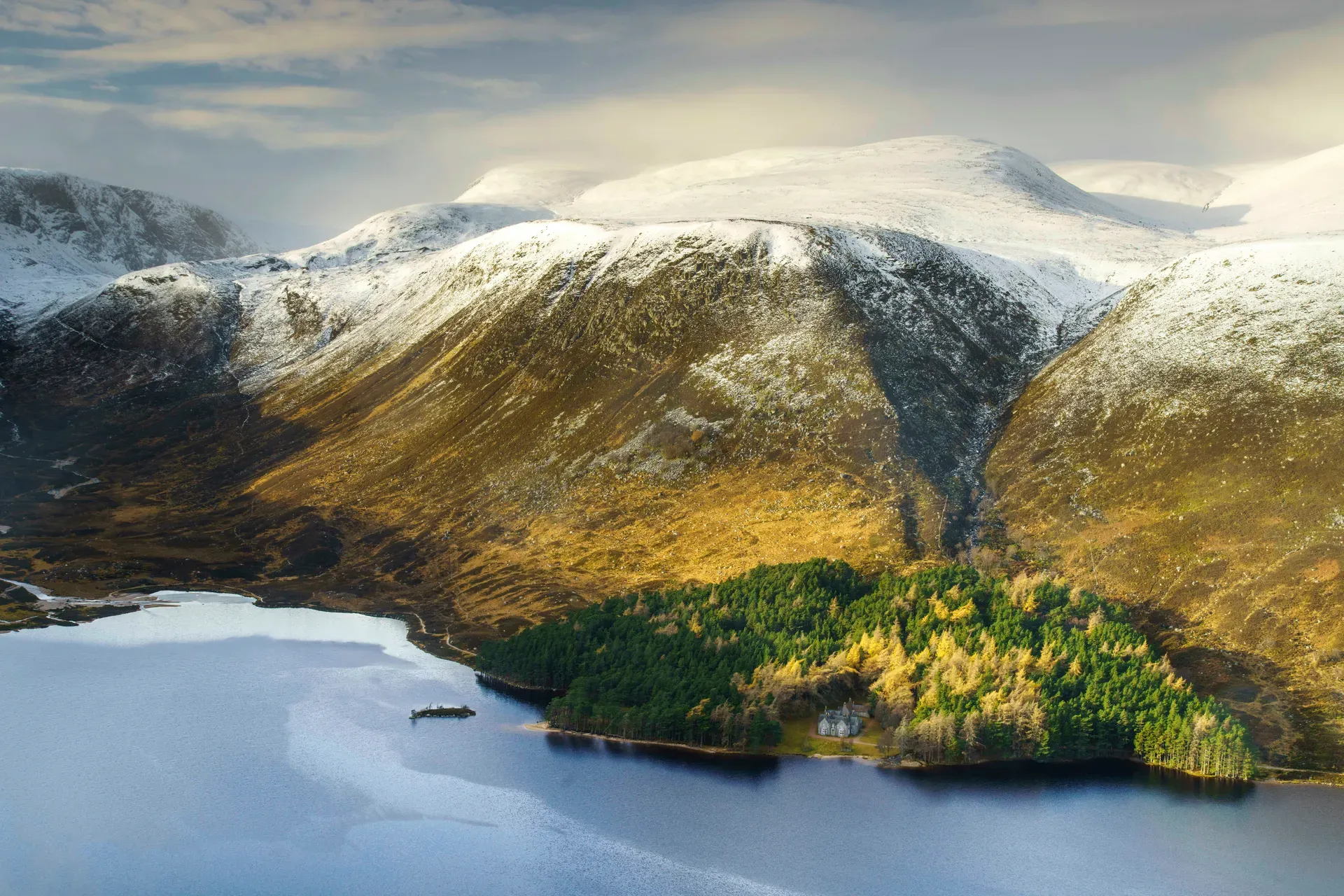
Britain's largest national park covers 4,528 km² of the eastern Highlands, packing in five of the UK's six highest mountains, 55 Munros and 25% of its rarest species, from capercaillie to golden eagles. Entry is free, the UK's highest funicular lifts you to 1,097 m in about six minutes, and from December to April you can ski 30 km of runs in the northern corries.
Find Guided ToursBritain's largest national park covers 4,528 km² of the eastern Highlands, straddling Aberdeenshire, Moray, Highland, Angus and Perth & Kinross. Created by the Scottish Parliament in 2003 — the country's second park after Loch Lomond and The Trossachs — and expanded west into Perth and Kinross in 2010, it holds five of the UK's six highest mountains and 55 Munros. Ben Macdui, the summit at 1,309 m, is second only to Ben Nevis in the British Isles. Queen Victoria climbed it in 1859, aged 40.
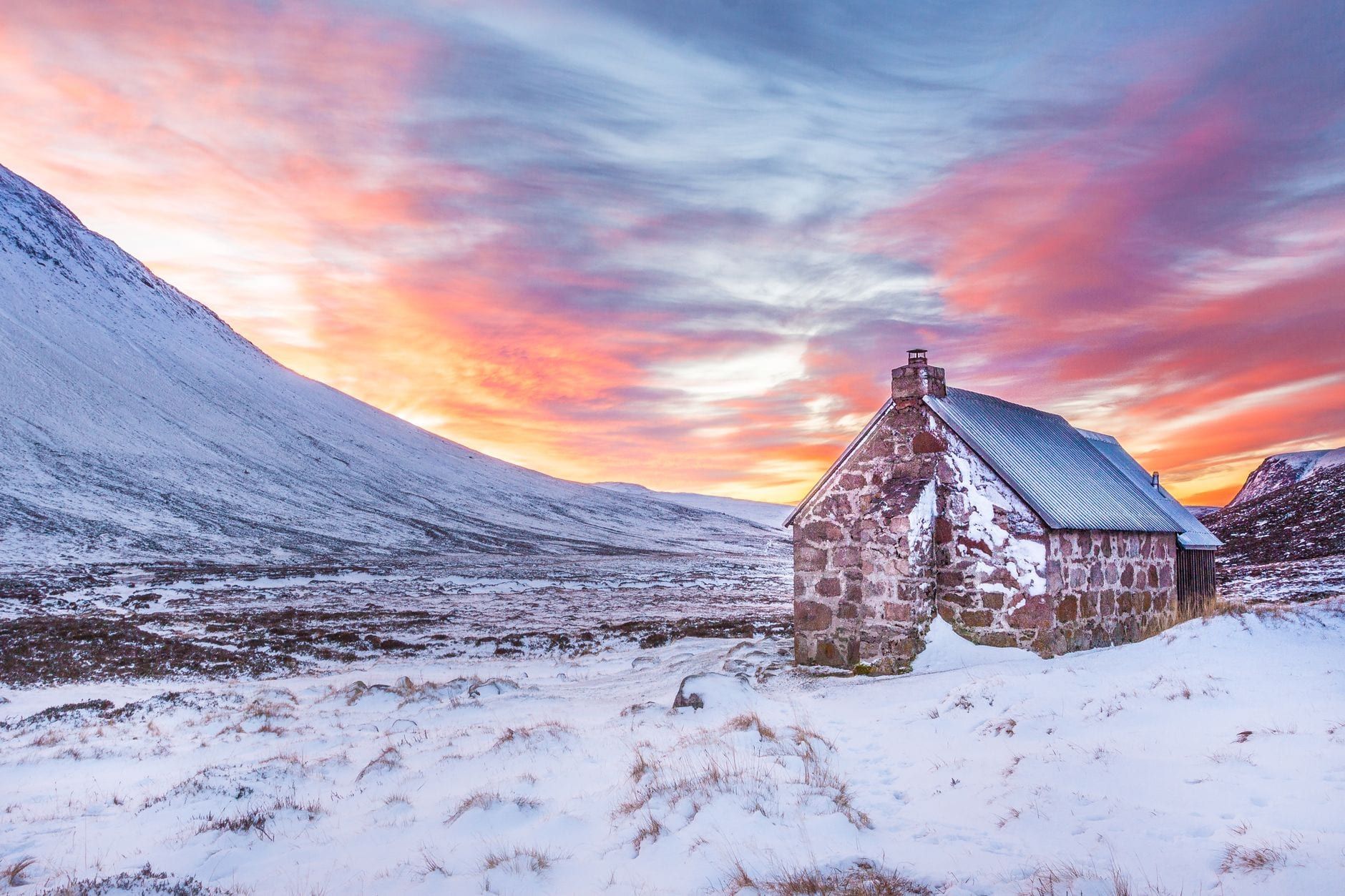
The Cairngorm massif is geology you can see: three granite plateaus sitting at 1,000–1,200 m, with domed summits pushing to around 1,300 m and free-standing tors scattered across boulder fields. That granite crystallised from plutons emplaced some 427 million years ago into much older Dalradian rocks, laid down between 800 and 600 million years ago. The result feels more Norwegian than British — a tundra-like plateau, compared in the research to Norway's Hardangervidda, where snow patches linger long after spring and the weather can turn from sunshine to storm within an hour, even in summer.
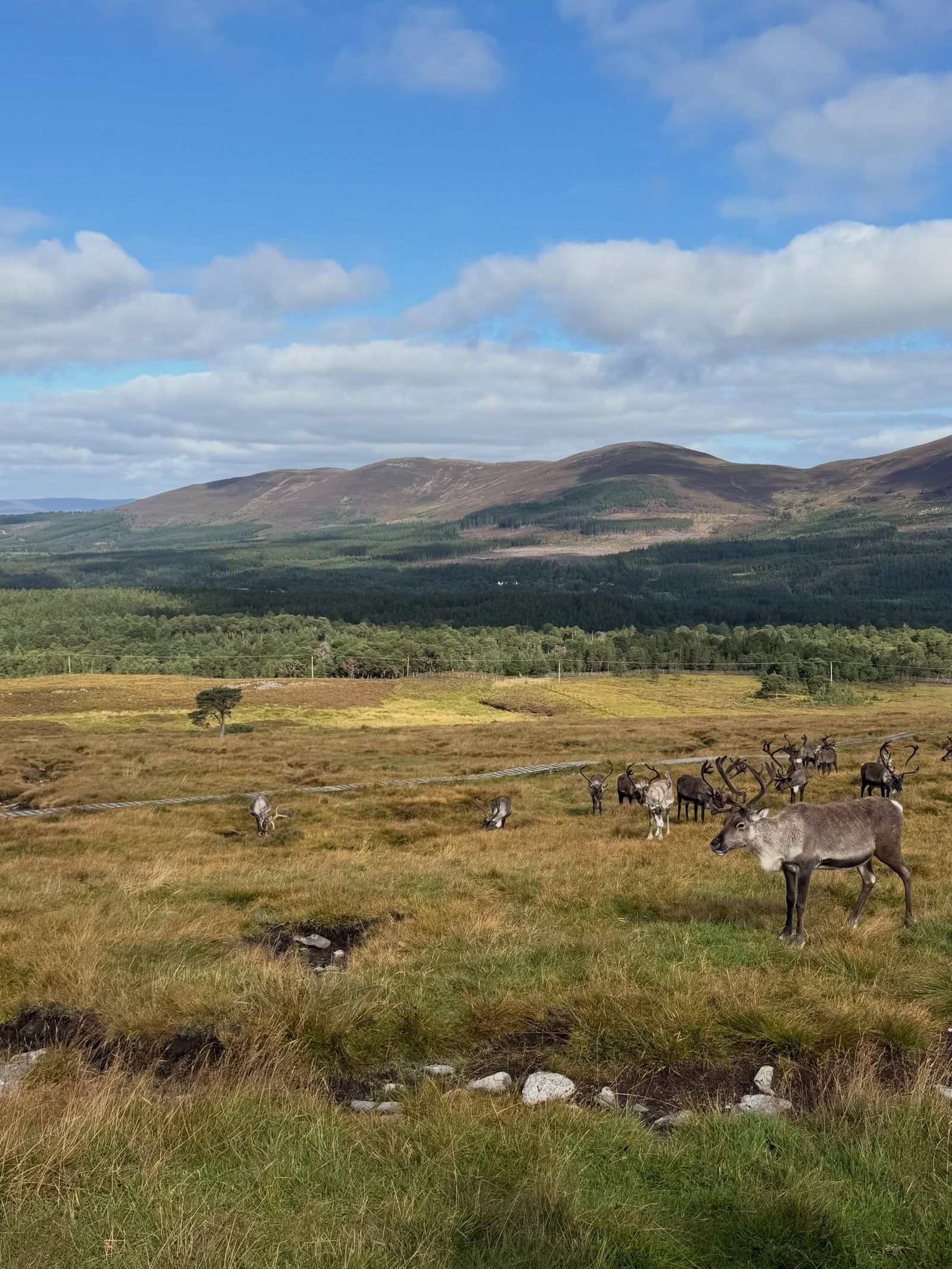
Three of Scotland's great rivers — the Spey, the Dee and the Don — all rise within the park's bounds, and the ancient Caledonian pineforest around them shelters red squirrels, capercaillie and Scottish wildcat. In total, 25% of the UK's rare and endangered species live here, including ptarmigan, golden eagles and freshwater pearl mussels; the Cairngorm Lochs became a Ramsar wetland in July 1981.
People have worked this land for centuries. Ruthven Barracks near Kingussie, built by the British army in 1719 after the Jacobite rising, still stands, and roughly 18,000 residents live here today alongside 1.9 million annual visits (recorded in 2018). It's a working, farmed landscape with ski runs on the northern corries — not a wilderness museum.
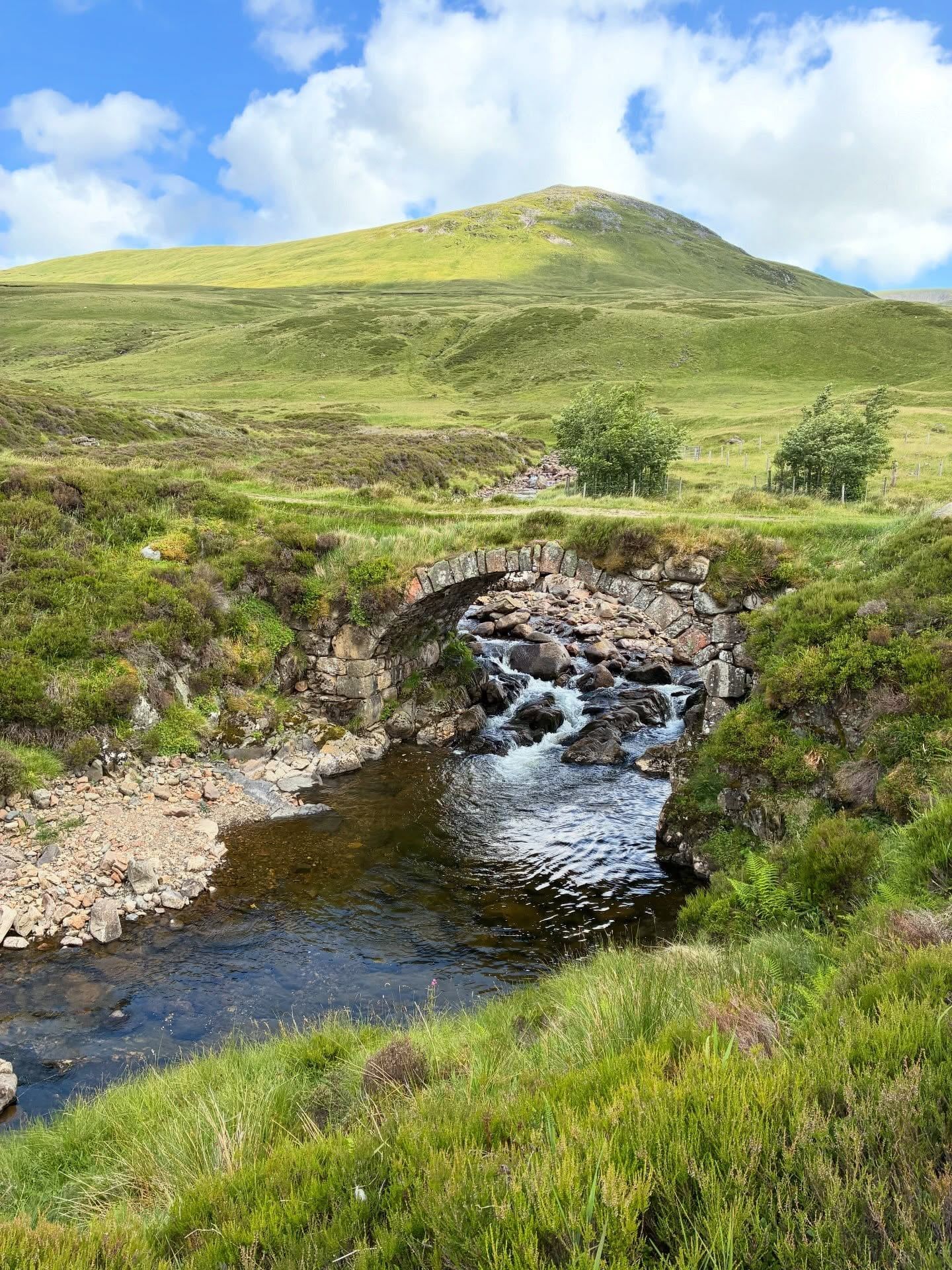
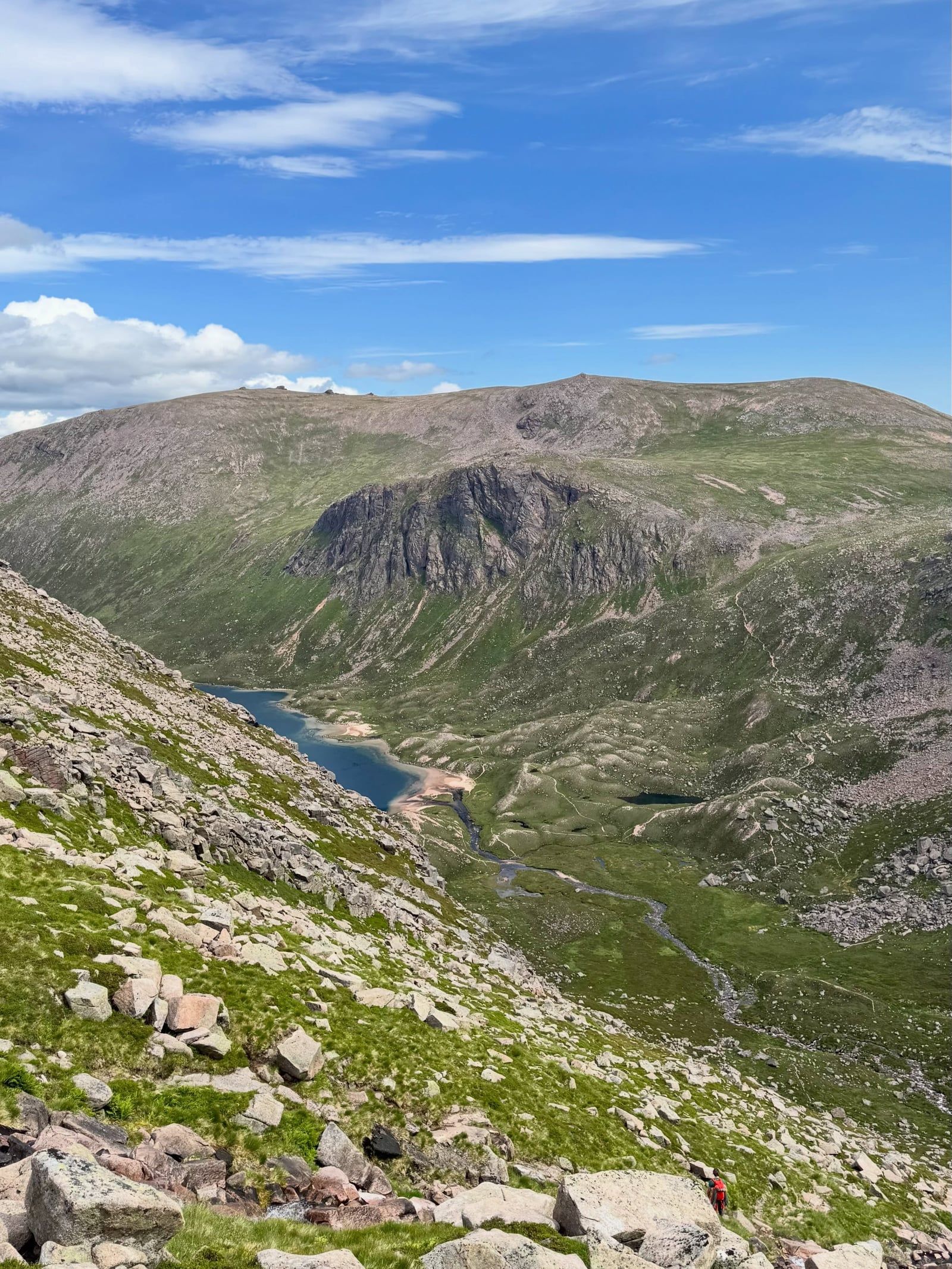
Discover the full history and cultural significance on our About page.
Scotland's only funicular climbs 2 km from the Base Station at 635 m to the Ptarmigan Top Station at 1,097 m in about 5–8 minutes. At the top: the UK's highest restaurant, a Cairngorm Gin bar, a viewing terrace over Loch Morlich, and a 270° exhibition. Book online the day before and save £2.
At 1,309 m, Ben Macdui is the second-highest mountain in the British Isles, reached across an arctic-alpine plateau that feels closer to Norwegian tundra than Britain. Queen Victoria made the summit in 1859. Carry map and compass — cloud can swallow the boulder fields in minutes, and there's no easy way off.
The northern corries of Cairn Gorm hold over 18 miles of runs served by 13 lifts plus a freestyle park. The season runs December to April, with the most reliable snow in March and early April, and snow cannons topping up the natural falls. February half-term is busy — book railway slots early.
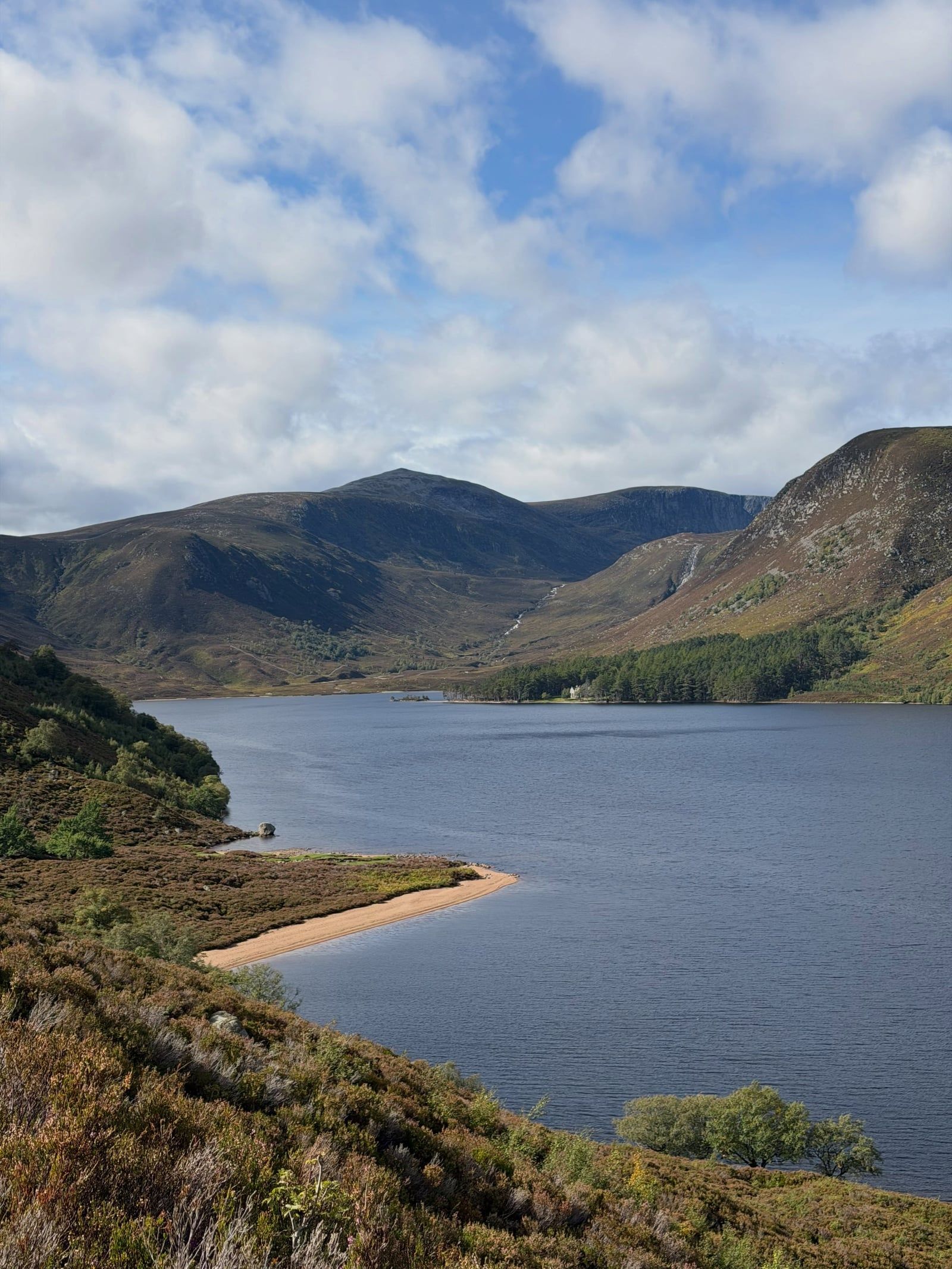
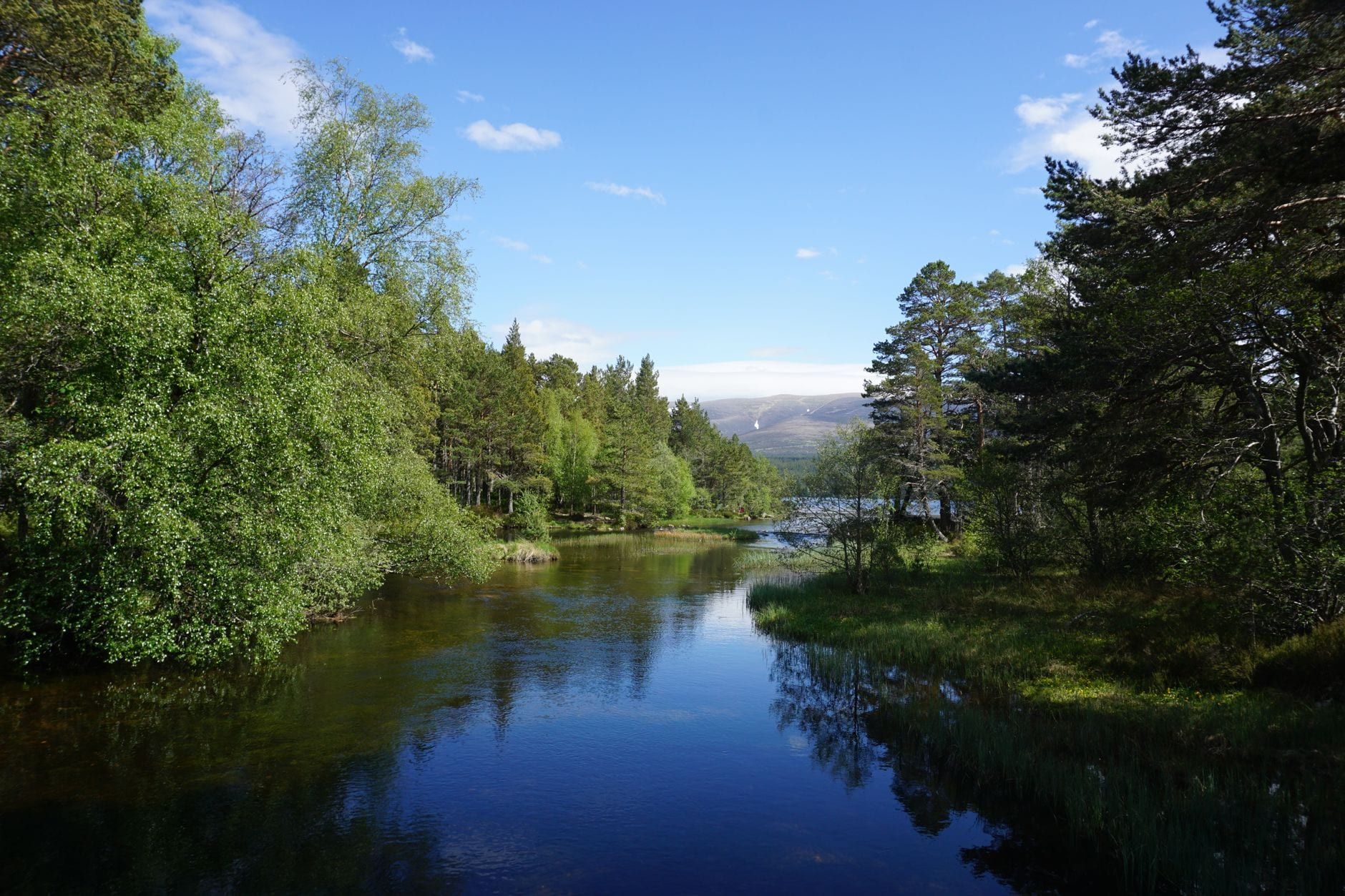
A flat, even 5 km circuit through Rothiemurchus Caledonian pinewood, once voted among the UK's best picnic spots. A ruined castle sits on an islet a few metres offshore and mirrors perfectly on still mornings. Red squirrels and crested tits work the pines overhead. Parking is £4.50 per car, attendant-monitored.
Book a small-group mini-coach from Inverness with a Tomatin whisky tasting, or a private tour for up to seven — both with free 24-hour cancellation.
Swipe to see more
Aim for May–June or September, when the Cairngorms gets long daylight (up to about 17.8 hours around midsummer), daytime highs of 12–17°C, drier trails and thinner crowds. Winter (December–March) is only for skiers and properly equipped winter walkers.
March and early April bring the most reliable snow for skiing at Cairngorm Mountain, while May delivers mild 12–17°C days and quieter trails. High routes still hold snow patches, so carry an ice axe and crampons up high.
The warmest stretch, with highs around 17°C, peak daylight and the best conditions for families and watersports at Loch Morlich. It's also the busiest period, with biting midges near still water and woodland.
September is a sweet spot — mild, drier and uncrowded — but the season slides downhill fast. November averages around 17 rain days, and many attractions cut their hours in the lull before the ski season.
Genuinely arctic: roughly 6.8–7 hours of daylight, hypothermia risk on the plateau, and navigation across boulder fields in whiteout is notoriously hard. Skiing runs December to April, but this season suits equipped winter walkers and skiers only.
The park itself never closes. There are no gates, turnstiles or set hours — most of its 4,528 km² is open access land under Scotland's right of responsible access, and visitor and local information centres across the park operate year-round, with ranger bases in the main communities. Seasonal hours only apply to individual attractions. The Cairngorm Mountain funicular runs daily, weather permitting: from September, the first train up is 10:00, the last train up is 15:30 and the last train down is 16:30, with the ticket office open 09:30–16:30 and the Ptarmigan Restaurant 10:00–16:30 (hot food ends 15:30). During the snowsports season, trains run on demand from 9am subject to weather and snow conditions. Ruthven Barracks near Kingussie is free and accessible at all times. Note that funicular passengers cannot leave the Ptarmigan Top Station onto the mountain outside the snowsports season, and the funicular periodically pauses for maintenance — it was closed until 27 February 2025 for repairs — so check the online Mountain Report before setting out.
| Category | Price |
|---|---|
| National park entry (open access land) | Free — no entrance fee, gates or turnstiles |
| Cairngorm Mountain funicular — Adult (18–64) day pass | £17.95 booked online in advance; £19.50 on the day |
| Cairngorm Mountain funicular — Junior (6–17) day pass | £9.95 online in advance; £11.95 on the day |
| Cairngorm Mountain funicular — Student and Senior (65+) day pass | £14.50 online in advance; £16.50 on the day |
| Cairngorm Mountain funicular — Family (2 adults + 2 juniors) day pass | £45.00 online in advance; £51.00 on the day |
| Cairngorm Mountain funicular — Children 0–5 and carers | Free, but a ticket is still required |
| Cairngorm Mountain funicular — Downward-only ticket from the top (adult) | £11.50 |
| Loch an Eilein car park (Rothiemurchus) | £4.50 per car per day, attendant-monitored |
| Aviemore Adventurer bus (route 30) — Adult | £3.20 single; £4.90 return |
| Aviemore Adventurer bus (route 30) — Child | £1.60 single; £3.20 return |
Book funicular tickets online at least a day ahead — an adult day pass drops from £19.95 on the day to £17.95. During the snowsports season railway capacity may be limited, so advance booking is wise, especially around February half-term and Easter. Funicular restrictions apply: no large rucksacks or hiking equipment, and no pet dogs (assistance dogs excepted; dogs that have walked up may ride down). No permit is needed to walk, cycle or wild camp, but from 1 April to 30 September all fires and barbecues are banned park-wide under the park's 2025 fire byelaw, with fines of up to £500. Carers of disabled passengers ride the funicular free, and the railway is fully accessible, with lifts to every level of the Ptarmigan Top Station.
For complete schedules and ticket prices, visit our Hours & Fees page.
The A9 is the artery: it enters the park at Killiecrankie/Blair Atholl in the south and runs up the western side to just past Carrbridge, with Aviemore roughly three hours' drive from Edinburgh. By train, the Highland Main Line stops at Aviemore in under three hours from Edinburgh Waverley, or about 30-40 minutes from Inverness.
📍 No single street address — Cairngorms National Park covers 4,528 km² across Aberdeenshire, Moray, Highland, Angus and Perth & Kinross. Aviemore, in the heart of the park, is the main transport hub.
Direct trains leave Edinburgh Waverley roughly every four hours — about 12 a day — with the first at 07:37 and the last around 19:35. The 143 km run averages 2h 56m, fastest 2h 43m, and Aviemore is the park's main rail hub. Kingussie, Newtonmore, Blair Atholl and Carrbridge also have stations. Coming from Inverness, the last half-hour threads the Spey valley — one of the loveliest stretches of the line. Book ahead; walk-up fares cost far more.
The A9 connects central Scotland to the park, reaching the southern entrance near Killiecrankie and Blair Atholl in about 1h 40m from Edinburgh; Aviemore is roughly three hours, and 40 minutes from Inverness. From Glasgow, take the M80 to Stirling, then the A9 past Perth. Average speed cameras line most of the route, so hold the limit. On the eastern side, the A93 and A939 serve Deeside, and the A86 links Strathspey to Fort William. Trailhead parking runs about £4.50 a day at Loch an Eilein.
Coaches run into the park from London, Edinburgh, Glasgow, Aberdeen and Inverness — Edinburgh to Aviemore takes roughly 3-4 hours — with local Stagecoach buses linking communities inside the park. Once there, the Aviemore Adventurer (route 30) runs seven days a week between Aviemore town centre and Cairngorm Mountain, carrying bikes and ski gear and stopping near Rothiemurchus for the Loch an Eilein walk. Departures are timed to meet arriving trains.
Fly into Inverness, Aberdeen, Edinburgh or Glasgow and transfer by hire car or train. Inverness is closest: the drive to Aviemore takes about 50 minutes and, paired with a train from the city, it's the quickest route in from northern Scotland. Aberdeen suits anyone heading for Royal Deeside and Ballater. Allow up to three hours by road from the Glasgow and Edinburgh airports.
For detailed transport options and routes, visit our Directions page.
Adult day passes drop from £19.95 to £17.95 if you book online the day before. February half-term and Easter sell out because snowsports demand eats the railway's capacity, so book those slots well ahead. From September the last train up is 15:30 and the last down 16:30 — an early start buys you more time at 1,097 m.
Under the park's 2025 fire byelaw, every campfire and barbecue is banned park-wide from 1 April to 30 September — disposables and metal fire pits included, with fines up to £500. Ranger and Police Scotland patrols work the hotspots. Cook on a gas stove; only registered campsites are exempt, and even they set their own policies.
The Stagecoach Aviemore Adventurer (route 30) runs daily between Aviemore town centre and Cairngorm Mountain, carrying bikes and ski gear, with a stop near Rothiemurchus for the Loch an Eilein walk. An adult return is £4.90. Departures are timed to meet incoming trains, so you can skip the car entirely — and the £4.50 loch-side parking fee.
Outside the snowsports season, funicular passengers must stay inside the Ptarmigan building — the conservation plan bars you from stepping onto the mountain, so you can't ride up and hike down. Walkers start from the Base Station car parks. Large rucksacks and hiking gear aren't allowed on the railway either, and pet dogs only ride down, never up.
Temperatures at the top station run about 10°C colder than Aviemore, and the plateau makes its own weather — drifting snow is possible in any month. Cloud can descend in minutes, and navigating the boulder fields in whiteout is notoriously hard. Carry map, compass and emergency kit above the forest line, and be ready to turn back.
June gives you roughly 17.8 hours of daylight; December barely 6.8, so finish winter walks by mid-afternoon. Ben Macdui and the high tops hold snow patches well into summer — take an ice axe and crampons for spring ascents. And check the park's path-closures page before committing, since storm damage and tree-felling shut routes at short notice.
A drive-through safari park and zoo at Kincraig, about 20 minutes south of Aviemore. Scottish wildcats, wolves, polar bears and red squirrels — the animals you'll almost never spot wild in the park itself. Reliable family day out.
Heritage steam trains leave from Aviemore station for a 40-minute run to Broomhill (TV's Glenbogle) via Boat of Garten, rolling through Speyside pinewoods. No car needed, and you can walk or cycle back along the Speyside Way.
The Dukes of Atholl's ancient seat at the A9 gateway to the park, with staterooms, grounds and Europe's only private army, the Atholl Highlanders. Pair it with the village, the southern rail stop on the Highland Main Line.
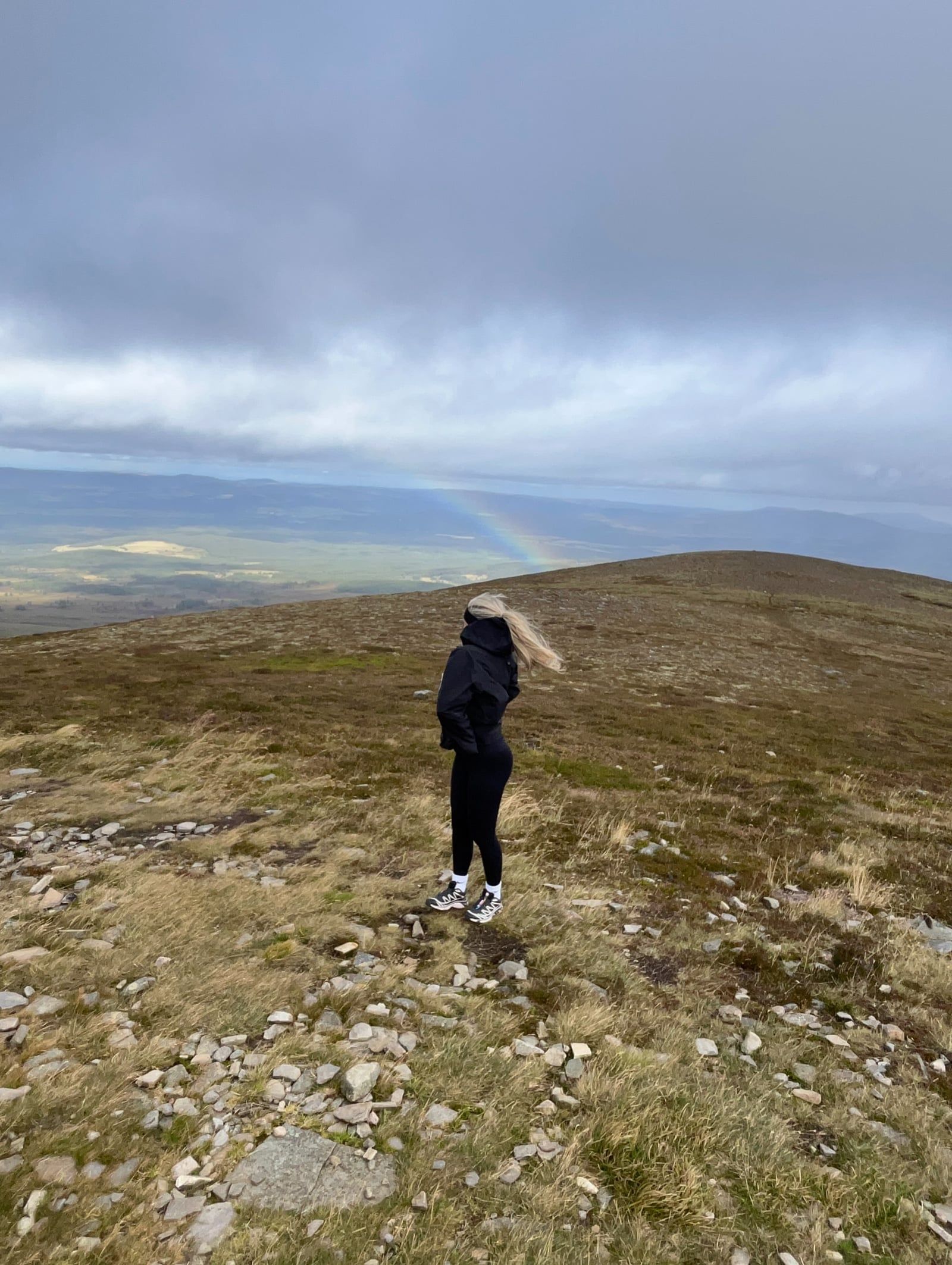
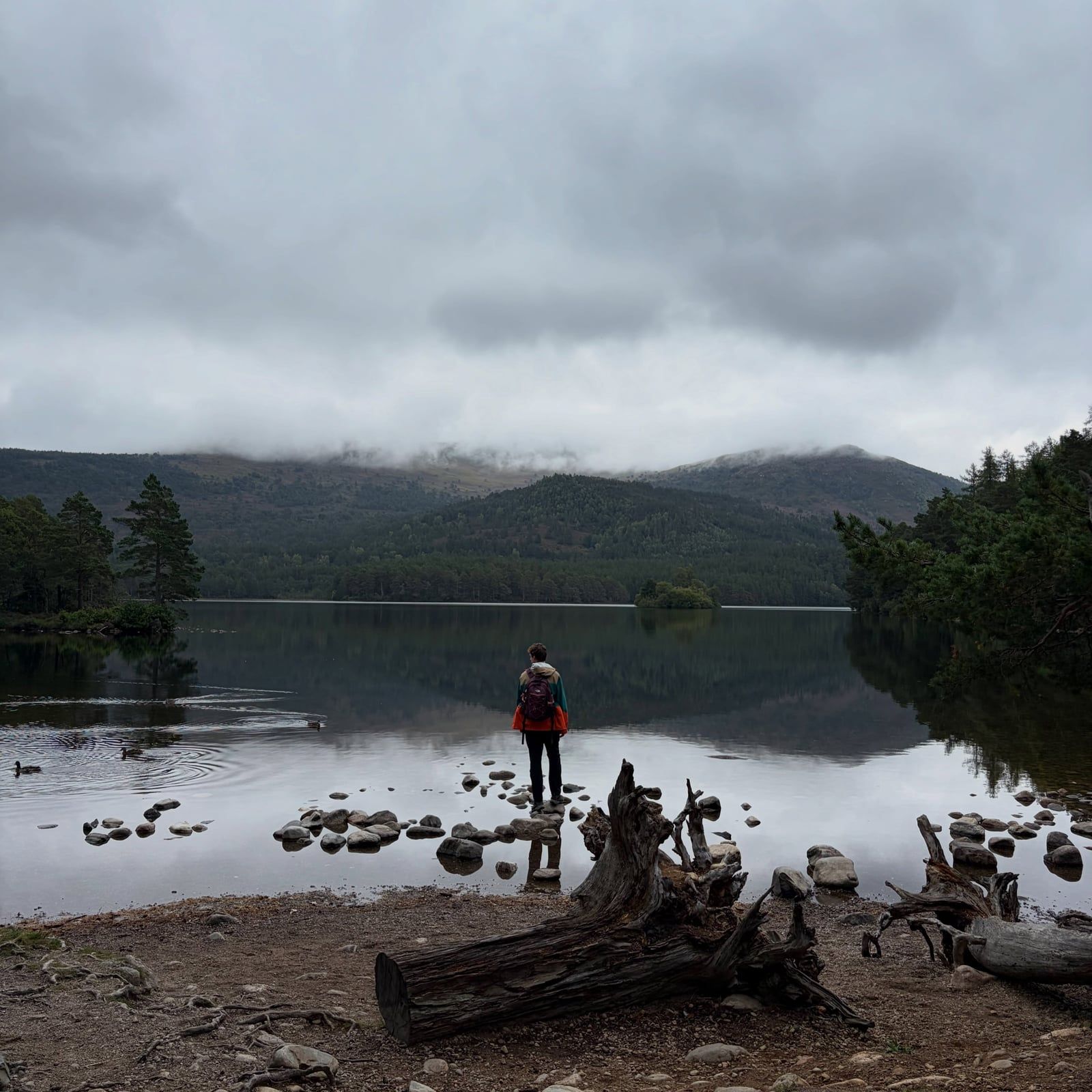
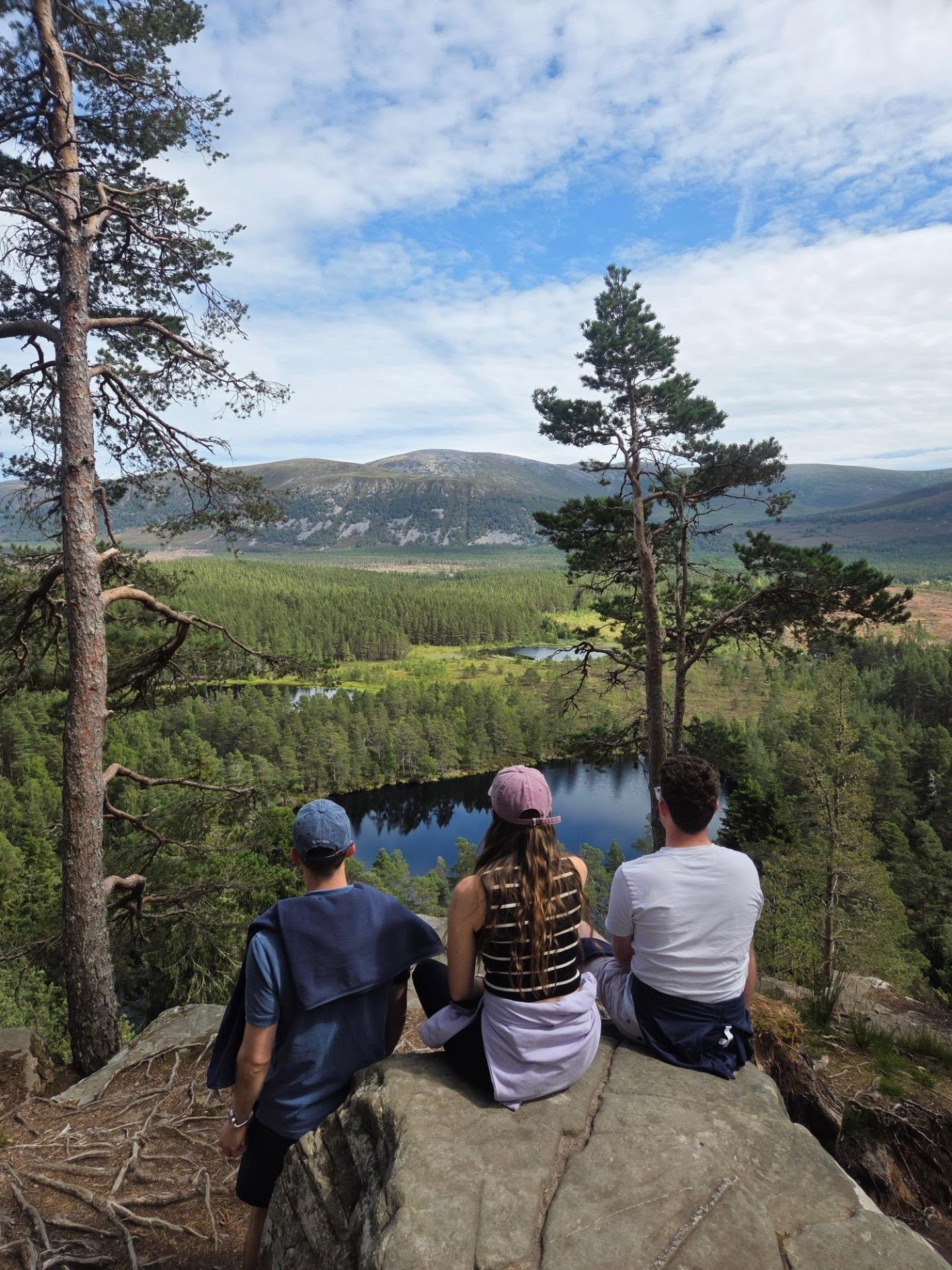
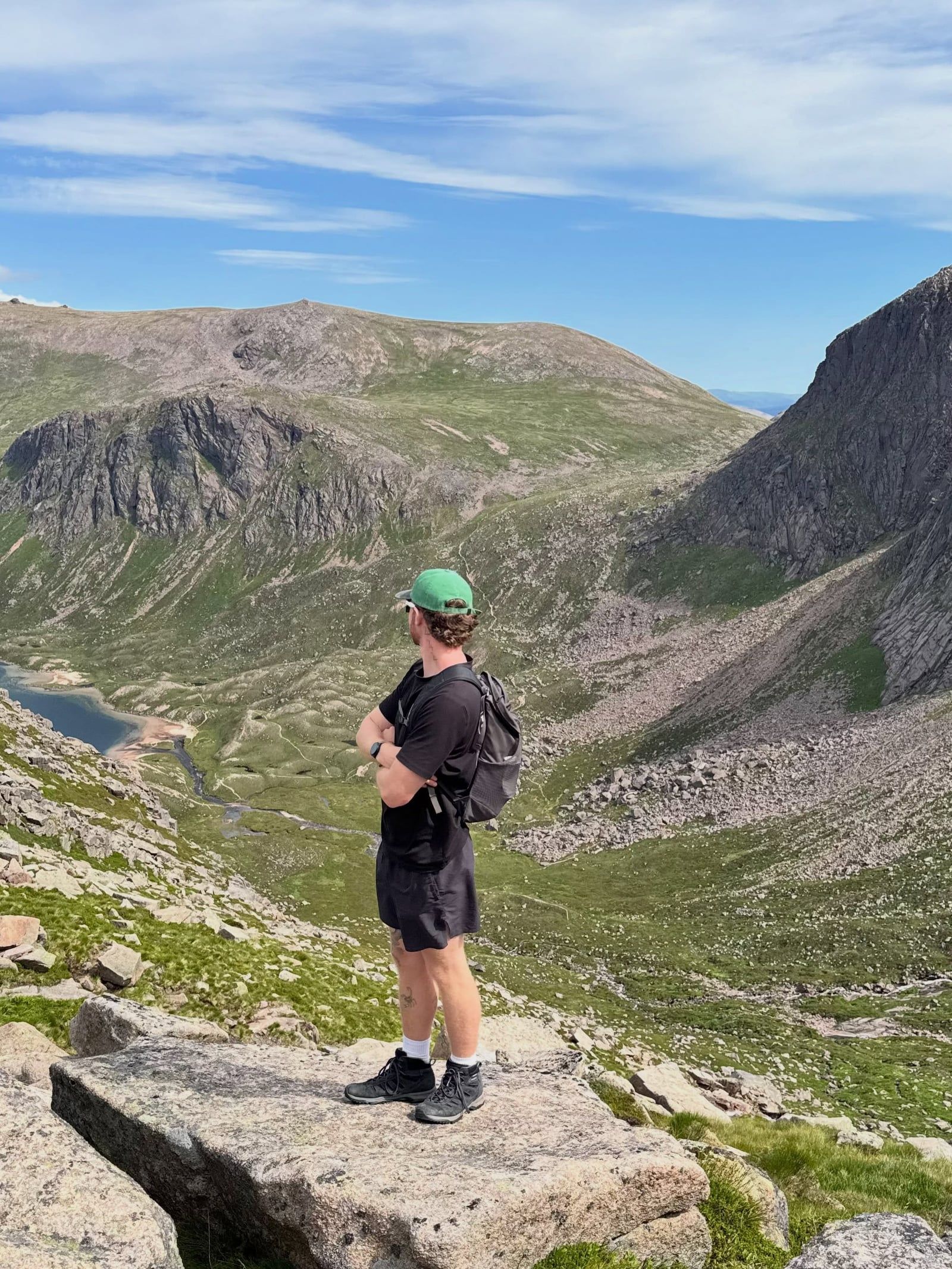
Read what travelers share about their experience visiting Cairngorms National Park — from practical tips to personal highlights.
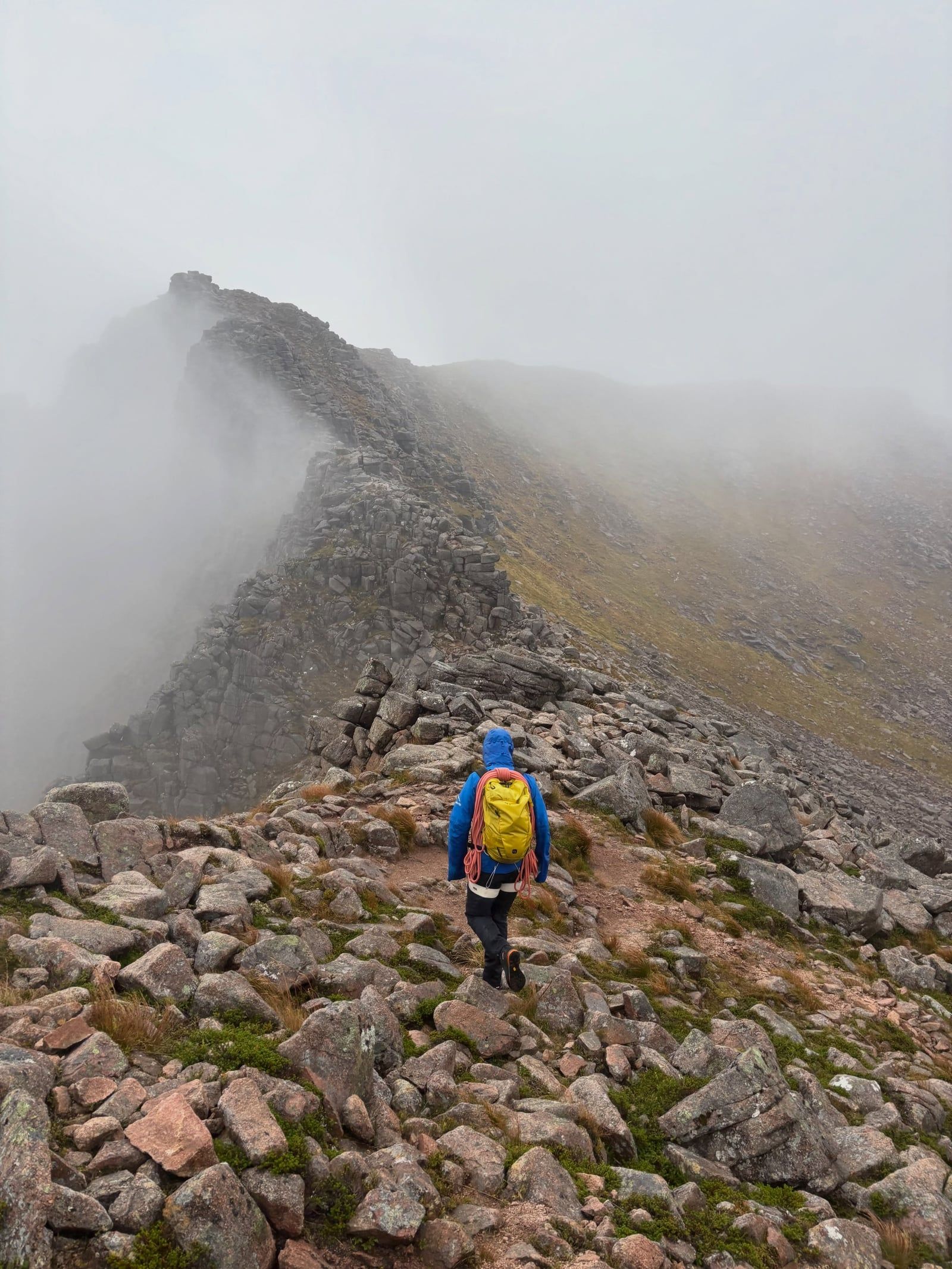
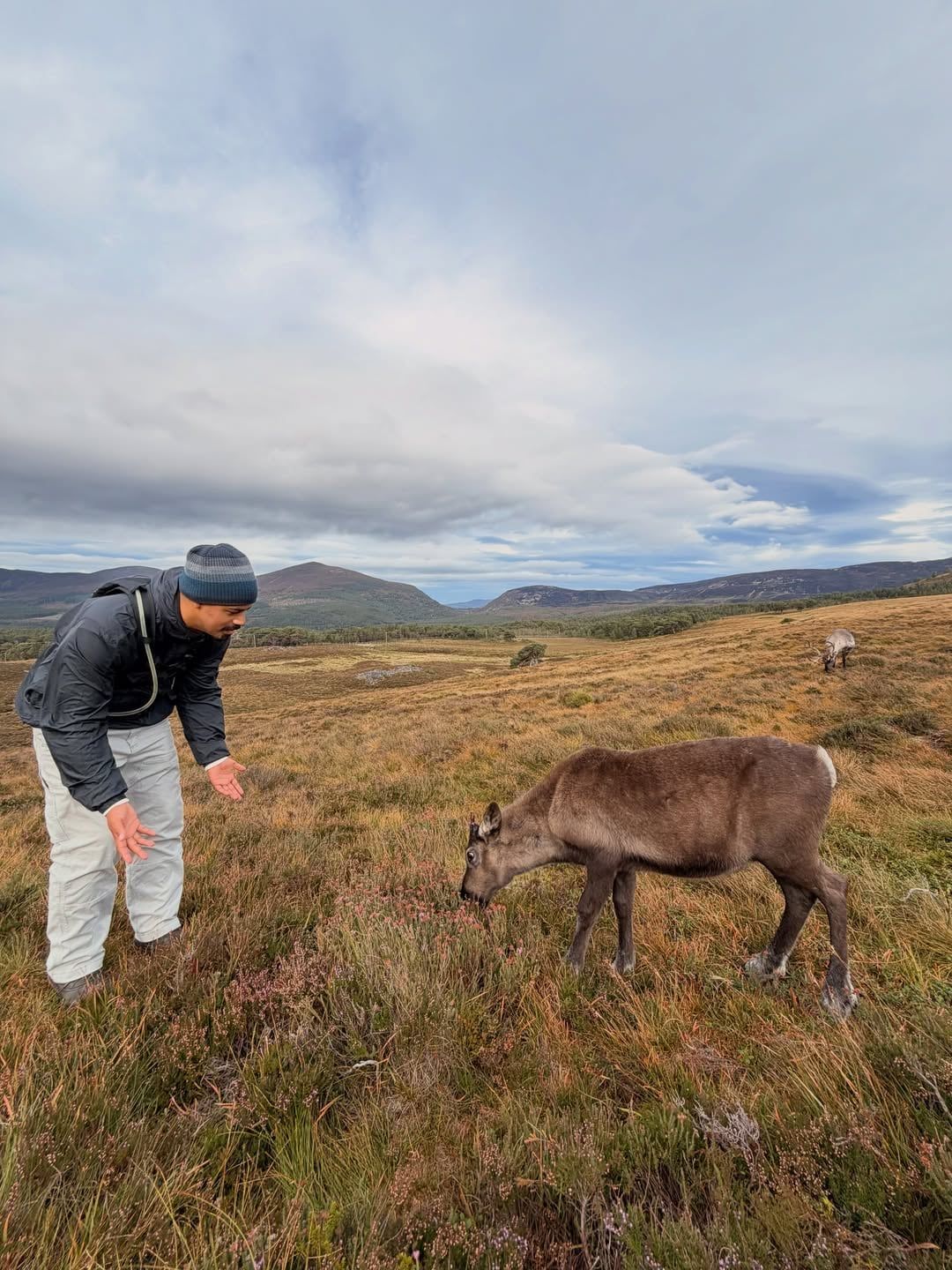
Planning advice, comparisons, and practical tips.
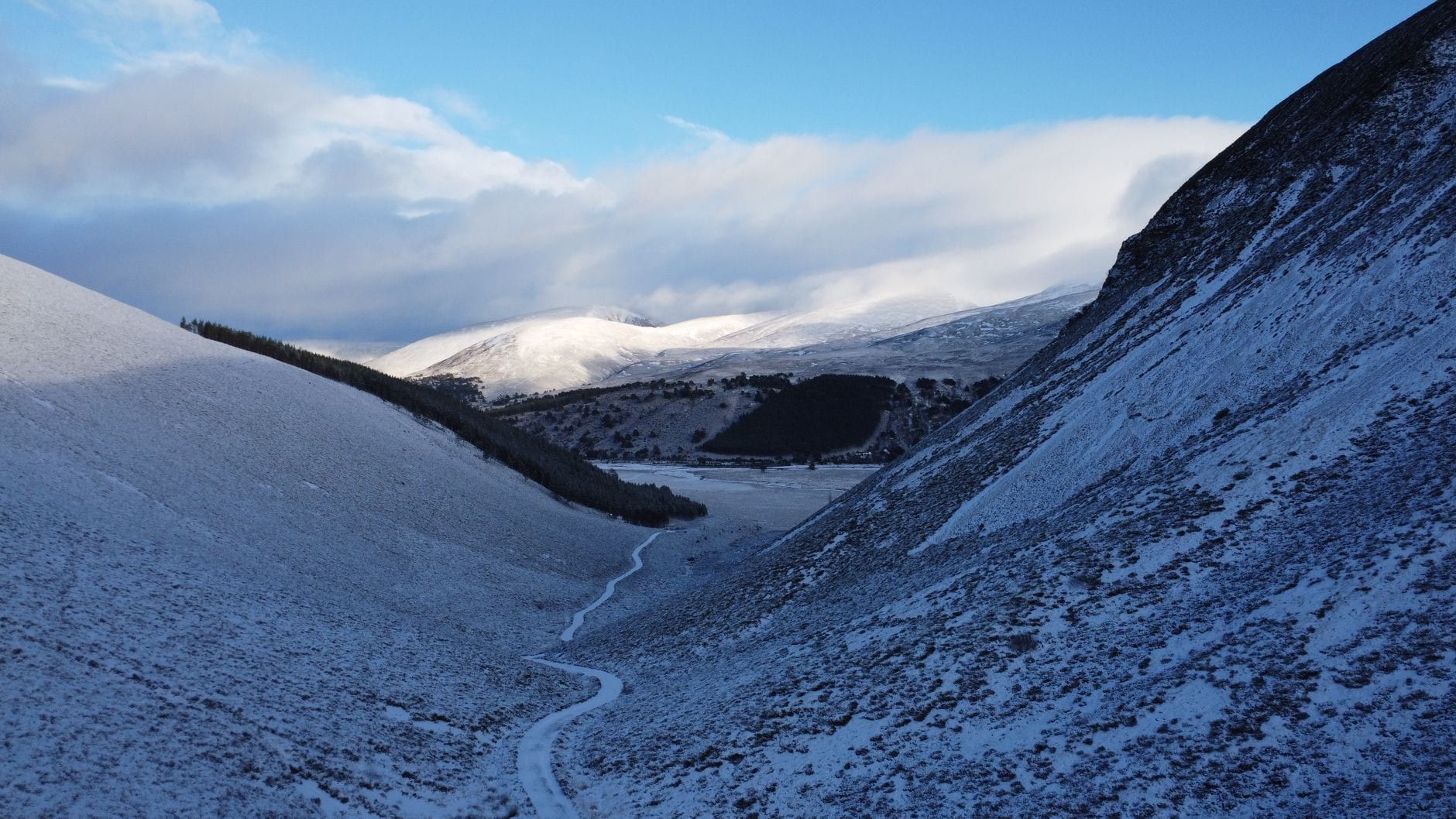
Winter is when the Cairngorms stops pretending to be a gentle Scottish holiday destination and becomes what it actually is: an arctic plateau with a…
Choosing where to stay in the Cairngorms is a two-part decision: which accommodation type suits your trip, and which village puts you in the right…
The Cairngorms is the UK's largest national park, and one of its quietest. It covers 4,528 sq km of the eastern Highlands — five of Britain's six…
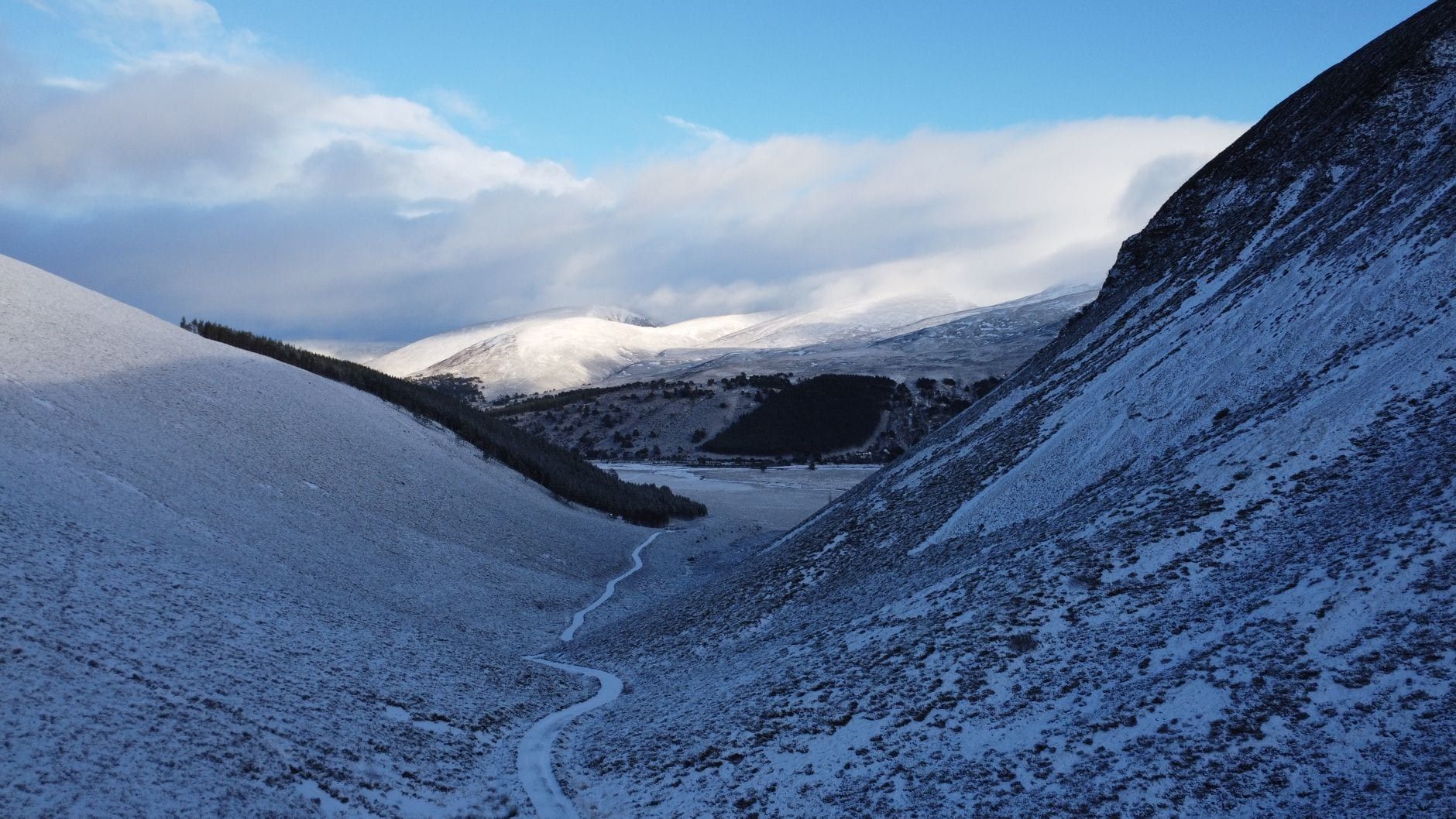
Three of Scotland's five outdoor ski resorts sit inside the Cairngorms National Park, Britain's largest protected landscape. That's the short answer…
Yes — there's no entrance fee, no gates, and most of the park's 4,528 km² is open access land you can walk freely, 24/7. You only pay for extras: the Cairngorm Mountain funicular costs £17.95 per adult booked online in advance (£19.95 on the day), and parking at Loch an Eilein is £4.50 per car per day.
Two to three days based in Aviemore covers the funicular, the Loch an Eilein loop, a glen walk and an attraction or two. Munro-baggers working through the park's 55 Munros, or Speyside whisky tourers, often stay a full week.
Yes — direct trains run from Edinburgh Waverley to Aviemore roughly every four hours (about 2h 56m, fares from €19.27 booked in advance), or 30–40 minutes from Inverness. From Aviemore, the Stagecoach Aviemore Adventurer bus (route 30) runs seven days a week to Cairngorm Mountain, carrying bikes and skis, for £3.20 single or £4.90 return.
Pack waterproof jacket and trousers, warm layers, sturdy boots, hat and gloves, plus map and compass for anything above the forest line — temperatures at the Ptarmigan Top Station can be 10°C colder than Aviemore, and weather can flip from sunshine to storm within an hour, even in summer. The local saying goes: 'there's no such thing as bad weather, only bad clothes'.
Yes — the funicular is fully accessible, with lift access from the Base Station to the platform and lifts to every level of the Ptarmigan Top Station, and carers of disabled passengers ride free. The flat, even 5 km Loch an Eilein circuit is also wheelchair-suitable. The high plateau above is not.
May–June and September are the sweet spots: daytime highs of 12–17°C, up to about 17.8 hours of daylight around midsummer, and fewer crowds than July–August. Winter visitors should note December–February bring only 6.8–7 hours of daylight and genuine hypothermia risk on the plateau.
It's worth it — booking online a day ahead saves £2 per adult (£17.95 instead of £19.95), and during the snowsports season and February half-term the railway can sell out. From September, the first train up is 10:00, the last up 15:30 and the last down 16:30, weather permitting.
Wild camping is legal on most unenclosed land under Scotland's Land Reform Act 2003, as long as you camp lightly and take all litter home. But from 1 April to 30 September, all fires and barbecues — including disposables and fire pits — are banned park-wide under the park's 2025 fire byelaw, with fines up to £500; cook on a stove instead.
Browse verified tours with free cancellation and instant confirmation.
Find Tours


