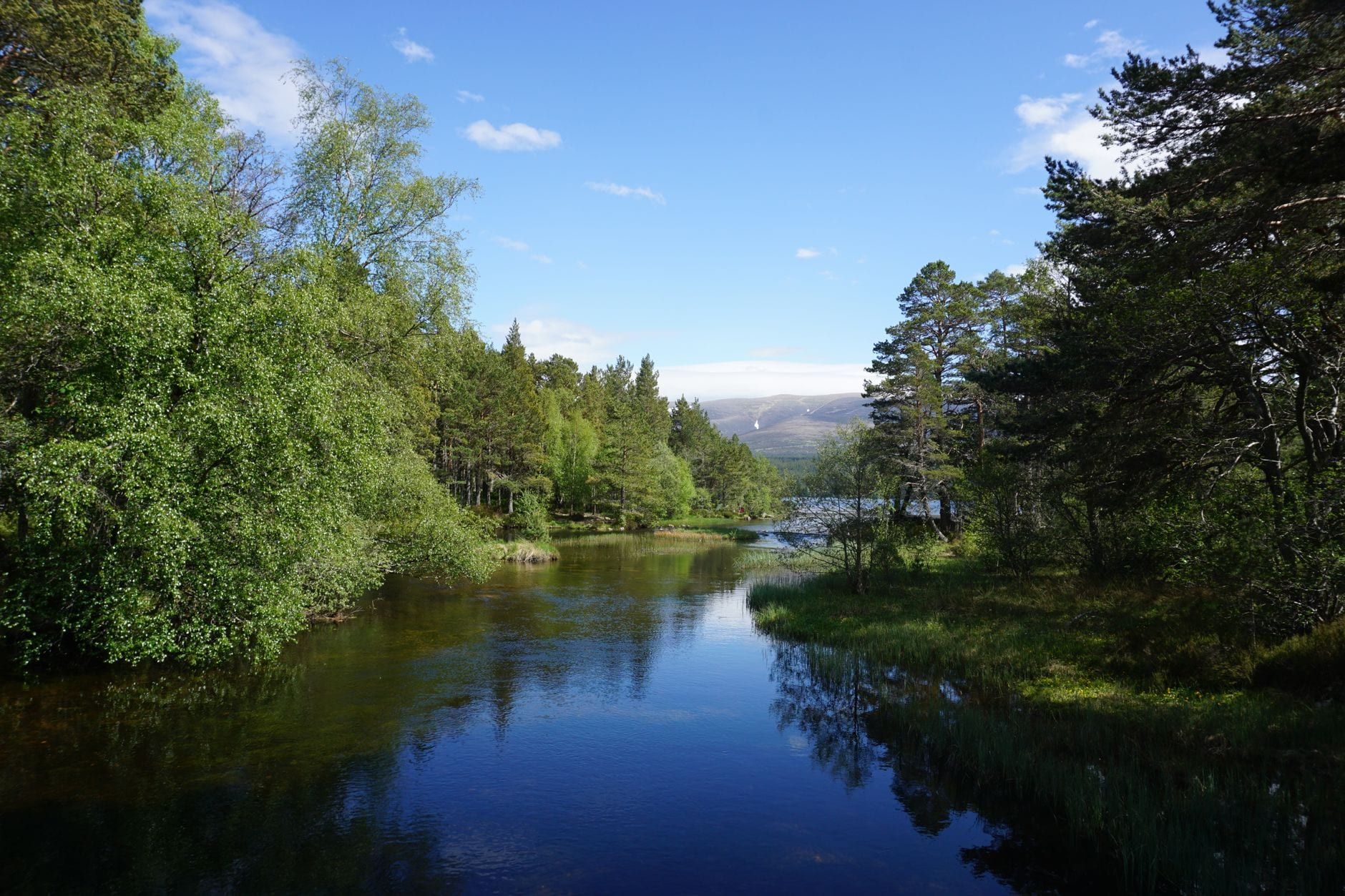
The Cairngorms is the UK's largest national park, and one of its quietest. It covers 4,528 sq km of the eastern Highlands — five of Britain's six highest mountains, 55 Munros, ancient Caledonian pinewoods and more than 60 lochs — yet it never feels as busy as Loch Lomond or Skye.
That scale is the point. You can spend a morning on an arctic plateau, an afternoon on a sandy loch beach, and the evening with a Speyside dram, all within an hour's drive. This guide covers what to do, when to do it, and the booking traps to avoid. For background on how the park works, start with our introduction to the Cairngorms.
Why the Cairngorms Belongs on Your Scotland Itinerary
The park spreads across the eastern Highlands, spanning Aberdeenshire, Moray, Highland, Angus and Perth & Kinross. It became a national park in 2003 and expanded into Perth and Kinross in 2010. What sets it apart is the plateau: a tundra-like block of granite between 1,000 and 1,200 m, home to five of the UK's six highest mountains, where ptarmigan and mountain hare live as they would in Arctic Norway. A quarter of the UK's rarest and most endangered species live inside the park boundary.
Down in the glens the mood softens. Ancient Caledonian pinewoods shelter red squirrels and Britain's only free-ranging reindeer herd, and the Tomintoul & Glenlivet corner holds the most northerly Dark Sky Park in the world. Aviemore, in the north-west, is the practical hub; Ballater and Braemar serve Royal Deeside in the east; Grantown-on-Spey keeps things quiet.
Hiking & Biking: Trails from Easy Loops to Munro Bagging
Walking is the park's number-one activity, and the spread of grades is unusually wide. Flat pinewood loops sit within twenty minutes' drive of a plateau where you need a map, compass and — in spring — an ice axe. Pick your level before you set out.
| Walk | Distance | Time | Grade |
|---|---|---|---|
| Uath Lochans loop, Glen Feshie | 3 miles | About 2 hours | Easy |
| Loch an Eilein circuit, Rothiemurchus | 5 km | 1–2 hours | Easy |
| Loch Muick circuit, Royal Deeside | 7.75 miles | Half day | Moderate |
| Cairnwell Munros from Glenshee | About 8 miles | Full day | Moderate |
| Ben Macdui from the ski centre | About 11 miles | 6–8 hours | Hard |
Forest loops anyone can do
Loch an Eilein, just south of Aviemore, is the classic first walk: a flat 5 km circuit around a loch with a ruined castle on an islet a few metres offshore, once voted one of Britain's best picnic spots. Parking is £4.50 and there are toilets. From Glenmore, the track to An Lochan Uaine — the Green Loch — and Ryvoan Bothy makes an easy there-and-back through old pines, and the water really is green. The Uath Lochans in Glen Feshie string four small lochans together on a gentle 3-mile loop.
Munros, from half-day to full-on
Meall a' Bhuachaille above Glenmore is the standard first summit, with under 600 m of ascent and views over the whole strath. The Cairnwell trio from Glenshee Ski Centre strings three Munros together over about 8 miles with under 600 m of climbing — remarkable value by Munro standards. Ben Macdui, at 1,309 m the second-highest mountain in the British Isles, is a different proposition: roughly 11 miles and 6–8 hours from the ski centre, across boulder fields where cloud can drop in minutes. Queen Victoria made the summit in 1859 and had a path built to prove it.
Snow can lie on the plateau into July, so carry OS Maps or AllTrails offline and check the Mountain Weather Information Service forecast. If you would rather not navigate the high tops alone, guided walking trips take the guesswork out of it.
Waterfalls, bikes and crags
The Falls of Bruar and the gorge walk at Linn of Dee are short, rewarding excursions when the summits are clamped in cloud. On two wheels, Glenlivet has purpose-built mountain bike trails and National Cycle Route 7 runs out of Aviemore through the strath; hire shops cluster in town. Climbers head for Lochnagar's corries and Shelterstone Crag.
Wildlife Watching: Reindeer, Ospreys and Red Deer
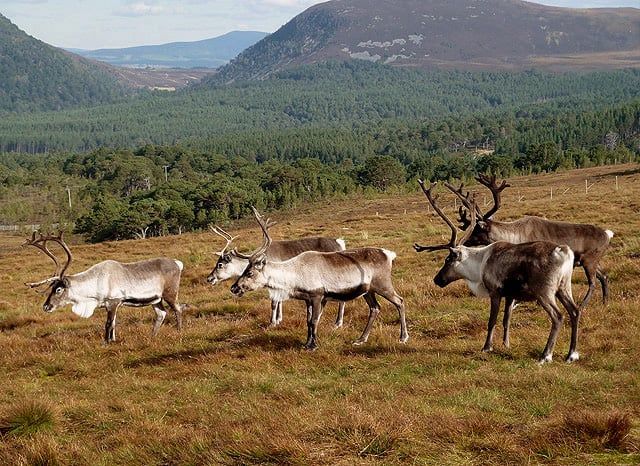
Britain's only free-ranging reindeer herd lives on the Cairngorm plateau, and the Cairngorm Reindeer Centre in Glenmore has been taking visitors to meet them since 1952. Guided hill walks let you hand-feed the herd on its own ground; the paddocks at the centre are the easier option if the climb doesn't suit. Book ahead in summer.
Ospreys fish at Loch Garten from April to August, and the RSPB centre there gives you nest views and live cameras. Timing matters — the birds leave by early autumn. Red deer are common around Loch Muick, and the pinewoods hold red squirrels and crested tits, far easier to find here than almost anywhere else in Britain.
For guaranteed sightings, Highland Wildlife Park at Kincraig, run by the Royal Zoological Society of Scotland, has a drive-through reserve plus polar bears, Amur tigers, snow leopards and Scottish wildcats. It doubles as the region's best rainy-day family stop. Out on the hills, keep your distance from wild animals and never feed them; several operators run guided safaris if you'd rather go with someone who knows where to look.
On the Water: Beaches, Watersports and Wild Swimming
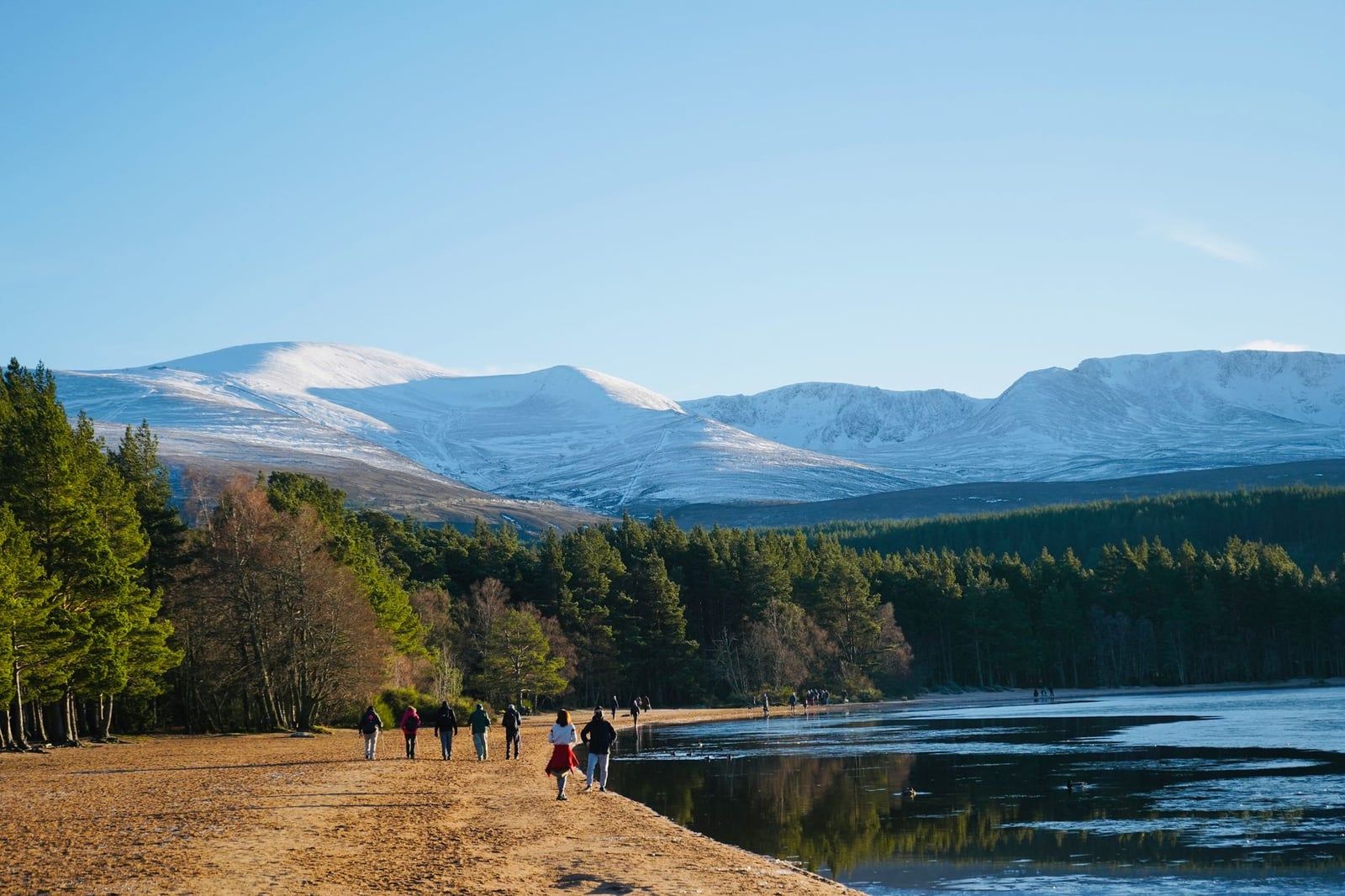
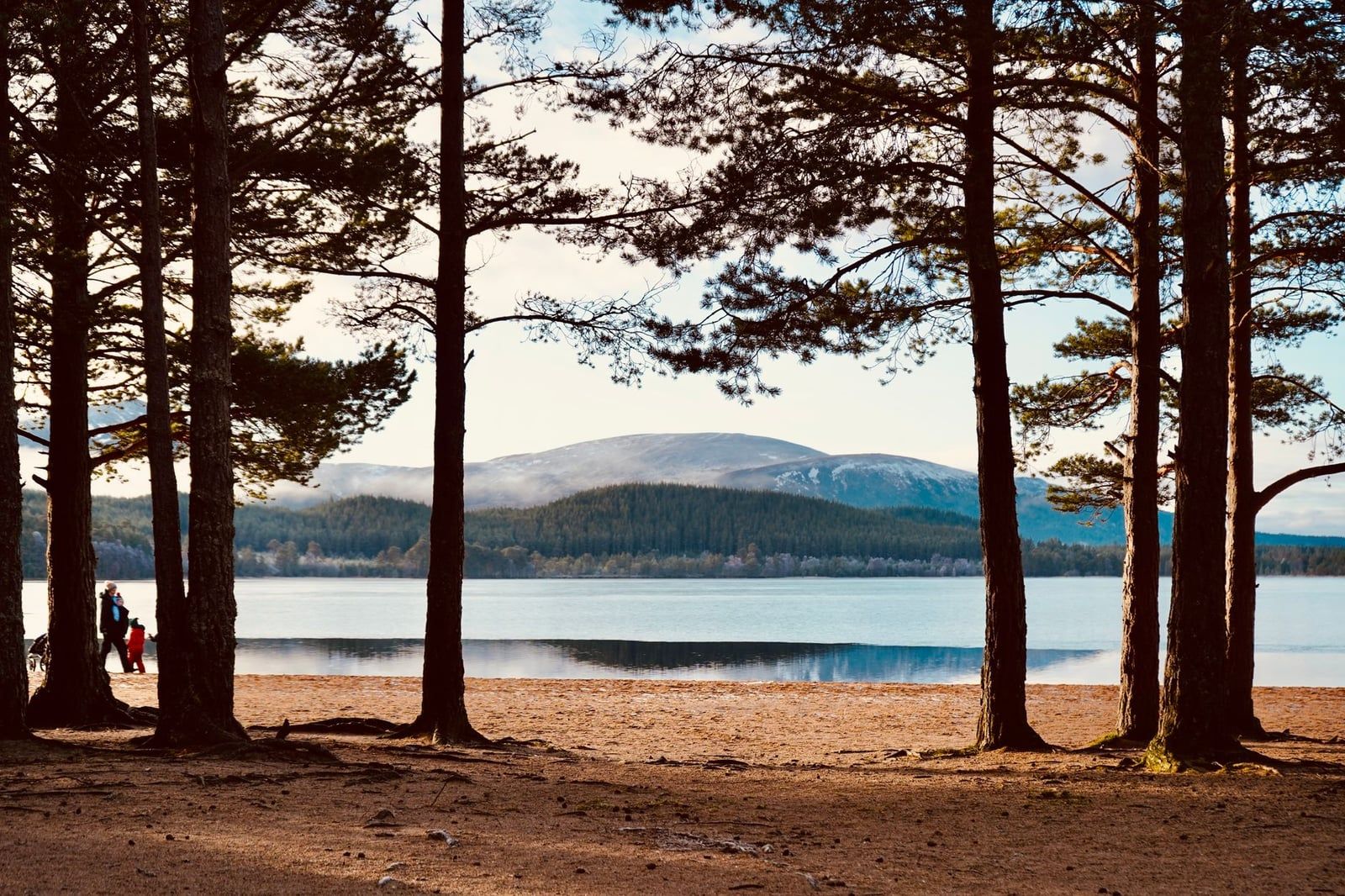
Loch Morlich has a genuine sandy beach with a watersports centre renting kayaks, canoes and paddleboards, plus lessons if you're starting from zero. On a warm July afternoon it looks almost Mediterranean — until you step in the water.
Loch Insh, a few miles south, is the other paddle hub, with a floating water park that children will refuse to leave. On Loch an Eilein you can paddle out to the ruined castle on its islet; the Rothiemurchus estate manages access. Wild swimming is legal across the park's 60-odd lochs and rivers, and the water is remarkably clear. It is also cold. Enter gradually, never swim alone, and know what cold-water shock looks like before you jump in.
For adrenaline, whitewater rafting and tubing trips run on the River Feshie near Aviemore, usually ending with a hot drink, which you will have earned. Gorge walking with an activity provider is the wettest option of all.
Big Views the Easy Way: Cairngorm Mountain and the Strathspey Railway
Not every big view in this park has to be earned on foot. Two rides — one up the mountain, one through the pinewoods — deliver the scenery without the legwork, and both leave from Aviemore.
Cairngorm Mountain funicular
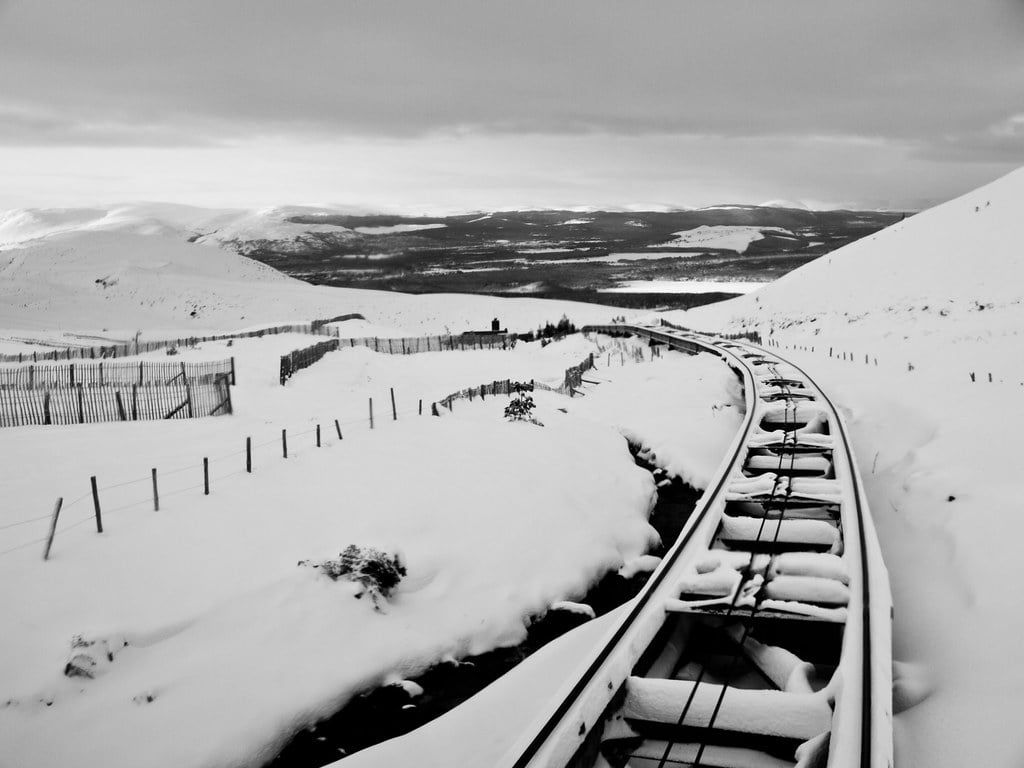
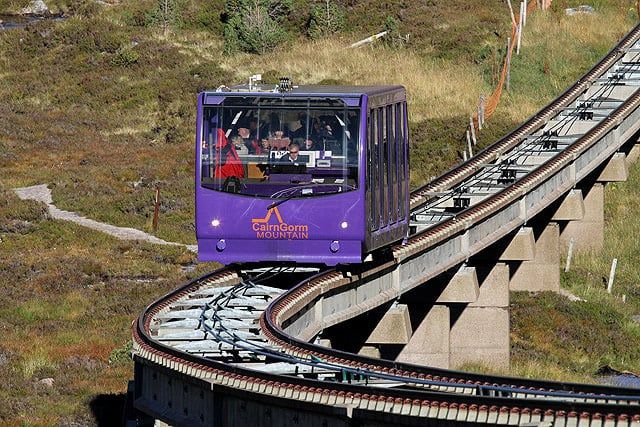
Scotland's only funicular railway climbs 2 km from the Base Station at 635 m to the Ptarmigan Top Station at 1,097 m — the UK's highest railway — in five to eight minutes. At the top you get the UK's highest restaurant, a gin bar, a viewing terrace over Loch Morlich and a 270° exhibition on the mountain's story. Adult day passes cost £17.95 booked online in advance, £19.95 on the day. The railway runs seven days a week, weather permitting — high winds close it regularly, so check the Mountain Report before driving up the ski road. Last train up is 15:30, last down 16:30.
One catch outside the snowsports season: a conservation plan bars passengers from leaving the Ptarmigan building onto the mountain, so you can't ride up and hike down. Hikers start from the base, and large rucksacks and pet dogs aren't carried (dogs who walked up may ride down). The summer tubing slides at the base usually run from the start of May to the end of October. No car? The Aviemore Adventurer bus runs up from the town centre.
Strathspey Steam Railway
Heritage steam trains leave from Aviemore station itself and run the 40 minutes to Broomhill via Boat of Garten — 'Glenbogle' station in Monarch of the Glen — through Speyside pinewood and moor. A return takes about two hours. Keen legs can ride out and walk or cycle back along the Speyside Way.
Castles and Royal History
Royal Deeside and the surrounding glens hold Scotland's densest run of castles outside Edinburgh — from a working royal palace to a star-walled garrison ruin. The opening seasons are the trap, so read the caveats before you plan your day.
Balmoral and the pyramid
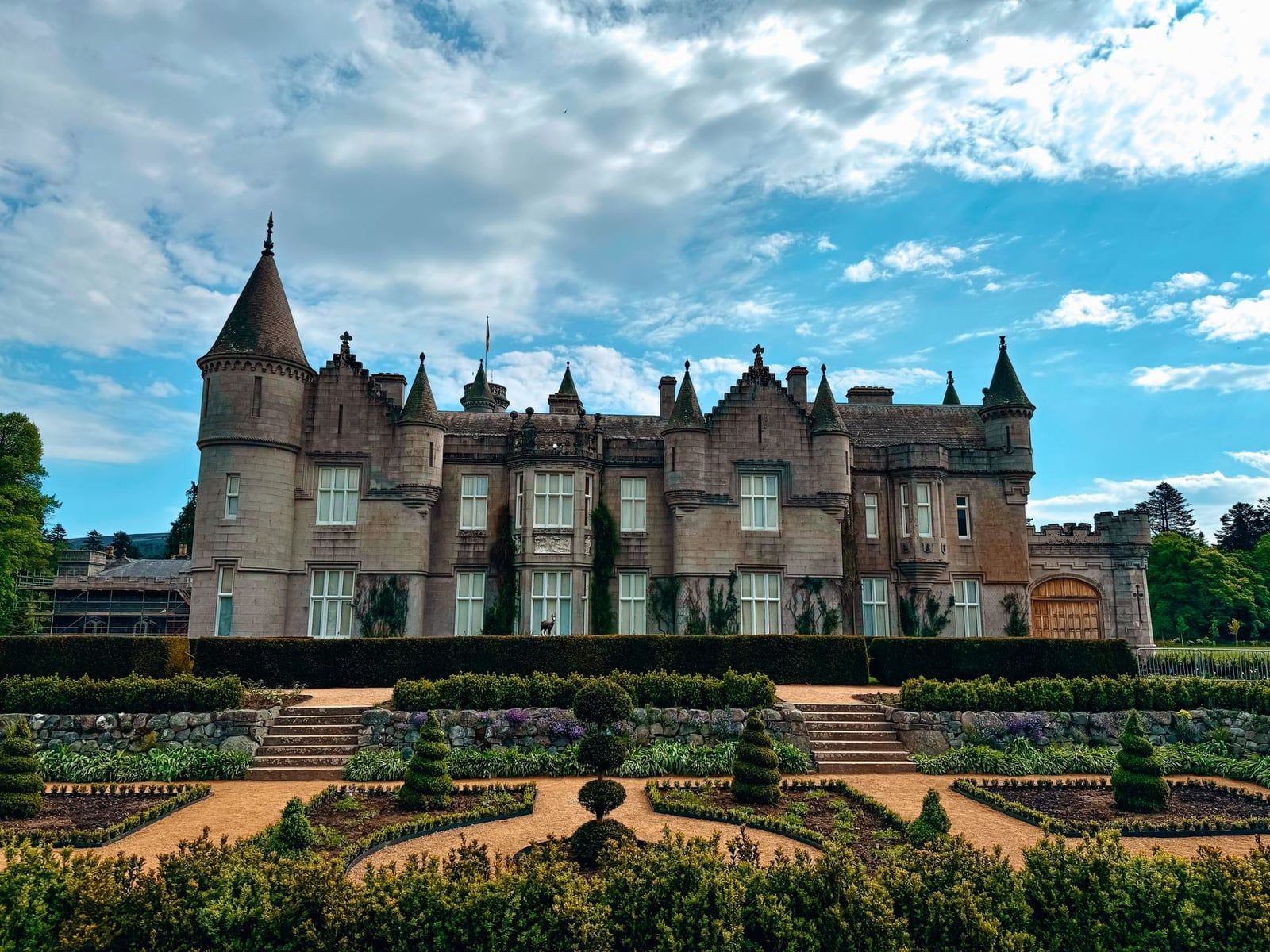
The Royal Family's Scottish home sits on the Dee between Ballater and Braemar, and its grounds, gardens and ballroom open to the public through spring and early summer — until early August, when the family arrives and the gates shut. Opening has shifted in recent years, including one full season closed to visitors, so check balmoralcastle.com before travelling. On the estate hillside stands Prince Albert's Cairn, Scotland's only pyramid, built by Queen Victoria as a tribute after Albert's death in 1861. The Balmoral cairns walk from Crathie reaches it, but the trail is closed for much of the year — August is the month to avoid.
The wider castle trail
Turreted 17th-century Braemar Castle shares its town with the Braemar Gathering, the most famous of the Highland Games. Blair Castle at Blair Atholl, at the park's southern gateway, packs 750 years of history, gardens, a resident deer herd and Europe's only private army. Corgarff Castle, wrapped in a star-shaped perimeter wall on the Snow Roads, is run by Historic Scotland and open by guided tour only — book ahead.
Ruins cost nothing. The islet castle on Loch an Eilein and Ruthven Barracks near Kingussie, built in 1719 after the Jacobite rising, are both free to wander at any time. The Highland Folk Museum at Newtonmore, an open-air museum of Highland life, sits well alongside them.
Towns and Villages: Where to Wander — and Where to Base Yourself
Aviemore is where most first-timers should stay. It has the train station, the gear and bike shops, the ski hire and enough restaurants to fill a week — and it's the only genuinely workable base without a car. Ballater, on Royal Deeside, is the smarter option: the old Royal Station, stone-fronted shops, and hill walks from the door. Braemar, further up the Dee, is the gateway to Glenshee and the home of the Gathering.
Grantown-on-Spey is quieter and workaday, with the Anagach Woods on its doorstep. Boat of Garten, the 'Osprey Village', has the RSPB centre nearby and a summer stop on the steam line; Carrbridge has its old packhorse bridge, a quick photo stop on the A9; Nethy Bridge is the pick for quiet forest stays.
Tomintoul, among the highest villages in the Highlands, sits at the heart of the Dark Sky Park and makes a good base for the Snow Roads. For the full range of places to sleep, see our guide to Cairngorms accommodation.
Scenic Drives: The Snow Roads and North East 250
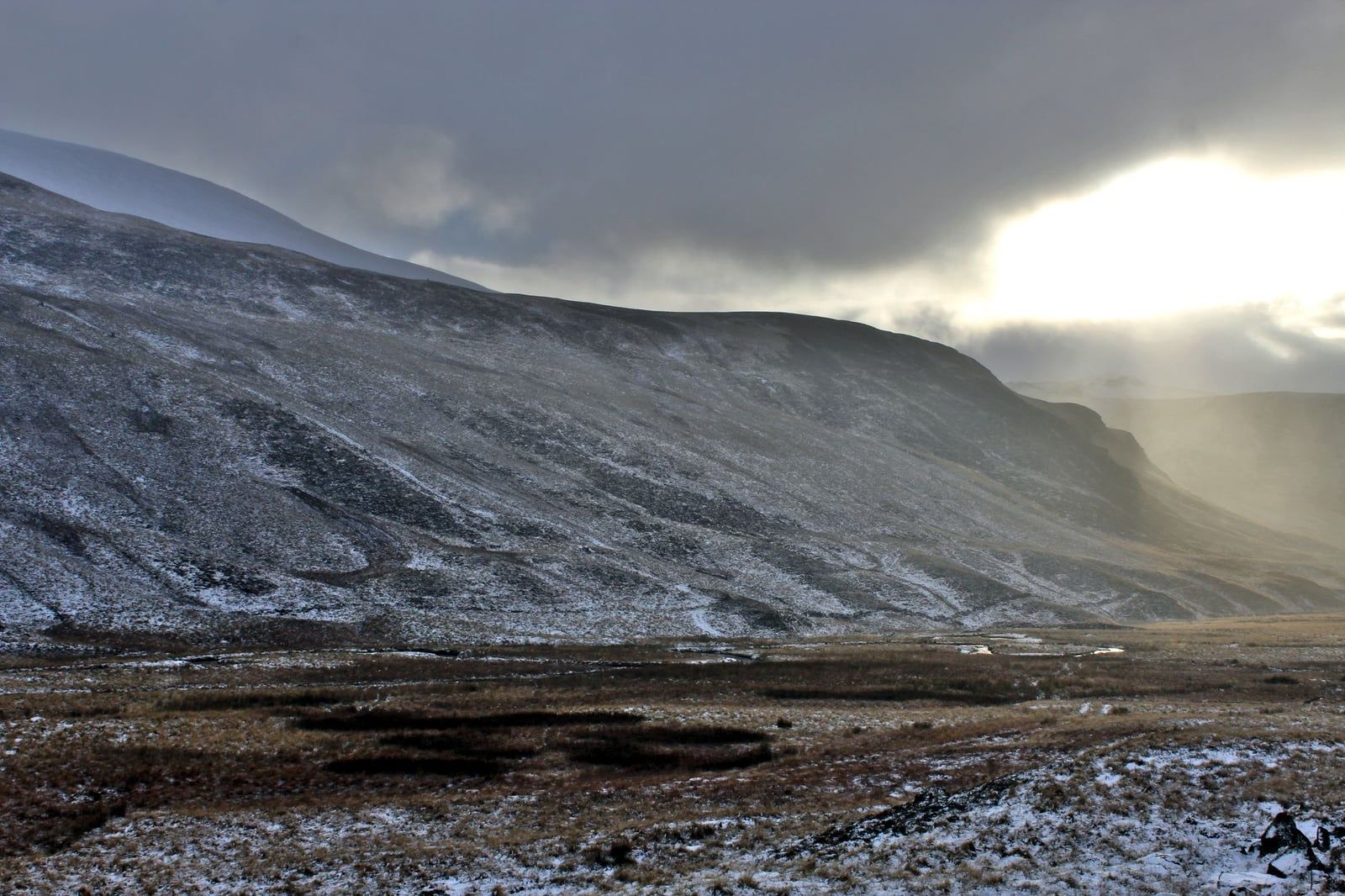
The Snow Roads Scenic Route runs 90 miles from Blairgowrie to Grantown-on-Spey over some of the highest public roads in Britain. The Cairnwell Pass tops out at 670 m — the highest main-road point in the UK — and the Devil's Elbow, a double hairpin near Glenshee, has a photo layby. Three art installations mark the route: The Watchers, Still and Connecting Contours. Give it a full day, not an afternoon.
The North East 250 loops the Cairngorms together with Balmoral, whisky country and the Aberdeenshire coast in one circular drive — a good frame for a week based anywhere in the east. Two cautions, though. Much of the network is single-track: use the passing places and pull in to let faster cars by. And in winter the high sections hold snow and ice, so drive on all-season tyres or reroute after snowfall. Late August into early September, when the heather turns purple, is the prettiest window.
Whisky, Beer and Local Food
Speyside holds Scotland's densest cluster of distilleries, and three big names welcome walk-ins for tours and tastings: Glenlivet, Dalwhinnie and Royal Lochnagar, the last on the Balmoral estate. The Malt Whisky Trail signposts nine distillery stops through Moray Speyside if you want a route rather than a single visit.
Beer drinkers should head to Cairngorm Brewery in Aviemore; Balmenach covers the gin side. For food, look for local game and river fish, farm shops, and the House of Bruar food hall on the A9 — part shop, part institution. One rule: don't taste and drive. Nominate a driver, or book a private tour with a driver and let someone else handle the glens in the dark.
Family Days Out and Adventure Activities
Around Aviemore, the family options are unusually good and unusually close together — the two big attractions both sit within 20 minutes of town, and the estate operators fill every gap in between.
Landmark Forest Adventure Park
At Carrbridge, about 20 minutes north of Aviemore, Landmark packs high ropes, water coasters, a butterfly house and life-sized dinosaurs into a forest setting, and Which? has named it among the UK's top visitor attractions. It's the single best family day out in the park. In proper rain, the fallbacks are Aviemore's escape rooms and the covered areas of the Highland Wildlife Park back down the A9.
Estate activities around Aviemore
Rothiemurchus Estate runs the TreeZone aerial course (about an hour in the trees), falconry displays, hairy coo safaris and quad treks. Pony trekking is available at Rothiemurchus and Alvie Stables, both close to town. For teenagers, add the zipline over Alvie Gorge with G2 Outdoor, outdoor karting at Aviemore Kart Raceway, clay pigeon shooting and archery — all bookable from the Aviemore area.
Best Time to Visit and Seasonal Highlights
Spring (April–May): ospreys return to Loch Garten in April, waterfalls run at full flow after the thaw, and the paths stay quiet. May–June is arguably the year's best window — up to 17.8 hours of daylight around midsummer, daytime highs of 12–17°C, drier trails.
Summer (June–August): everything is open, from the funicular to the floating water park, and roughly ten Highland Games gatherings run across the region. July and August are busiest, so book accommodation and activities ahead. The heather turns the moors purple from late August into early September — worth planning around if you have a camera.
Autumn brings colour to the pinewoods, the red deer rut and mild days, with crowds thinning again. November is the wettest month — around 17 rain days — and many attractions cut their hours: the park's weakest stretch.
Winter (December–March) belongs to snowsports. Glenshee is the largest ski area, with 14 lifts and tows; Cairngorm Mountain has 13 lifts, 30 km of runs and a freestyle park; the Lecht suits beginners. The season usually runs December to April, most reliable in March and early April. Lifts close in high winds, so watch the wind forecast before you commit, and read our guide to skiing in the Cairngorms before you go.
Dark skies run all year but peak in winter's long nights. The Tomintoul & Glenlivet Dark Sky Park, designated in 2018, is the darkest in the UK; its three best spots are Blairfindy, Tomintoul and Scalan. The aurora does appear on clear winter nights, but rarely — treat the stars themselves as the guarantee. For the full cold-season picture, see our guide to the Cairngorms in winter. Whatever the month, conditions change fast here: layers and waterproofs, always.
Know Before You Go: Rules, Transport and Trip Length
Trip length first. Two to three days based in Aviemore covers the funicular, Loch an Eilein, a glen walk and an attraction or two; organised trips typically run three to five days. Stay a week if you're Munro-bagging — there are 55 of them — or touring Speyside's distilleries properly.
Getting there: direct trains reach Aviemore from Edinburgh in under three hours, with Glasgow connections also available, and smaller stations at Kingussie, Newtonmore, Blair Atholl and Carrbridge. Fly into Inverness for the north of the park — 50 minutes by road to Aviemore — or Aberdeen for Royal Deeside. Full detail is in our guide to getting to the Cairngorms, and day tours from Inverness work well if you'd rather not drive at all.
A car opens up the remote glens, the Snow Roads and the distilleries. But you can manage without one from Aviemore: the Stagecoach Aviemore Adventurer (route 30) runs seven days a week to Cairngorm Mountain with space for bikes and skis (adult return £4.90), stopping near Rothiemurchus for the Loch an Eilein walk. Trains and local buses cover the rest of the strath.
The rules that catch visitors out:
- Many car parks charge — £4.50 at Loch an Eilein, £5 all day at Loch Muick.
- Wild camping is legal on most unenclosed land: small groups, leave no trace, move on every couple of days.
- Fires and barbecues are banned park-wide 1 April–30 September; fines reach £500.
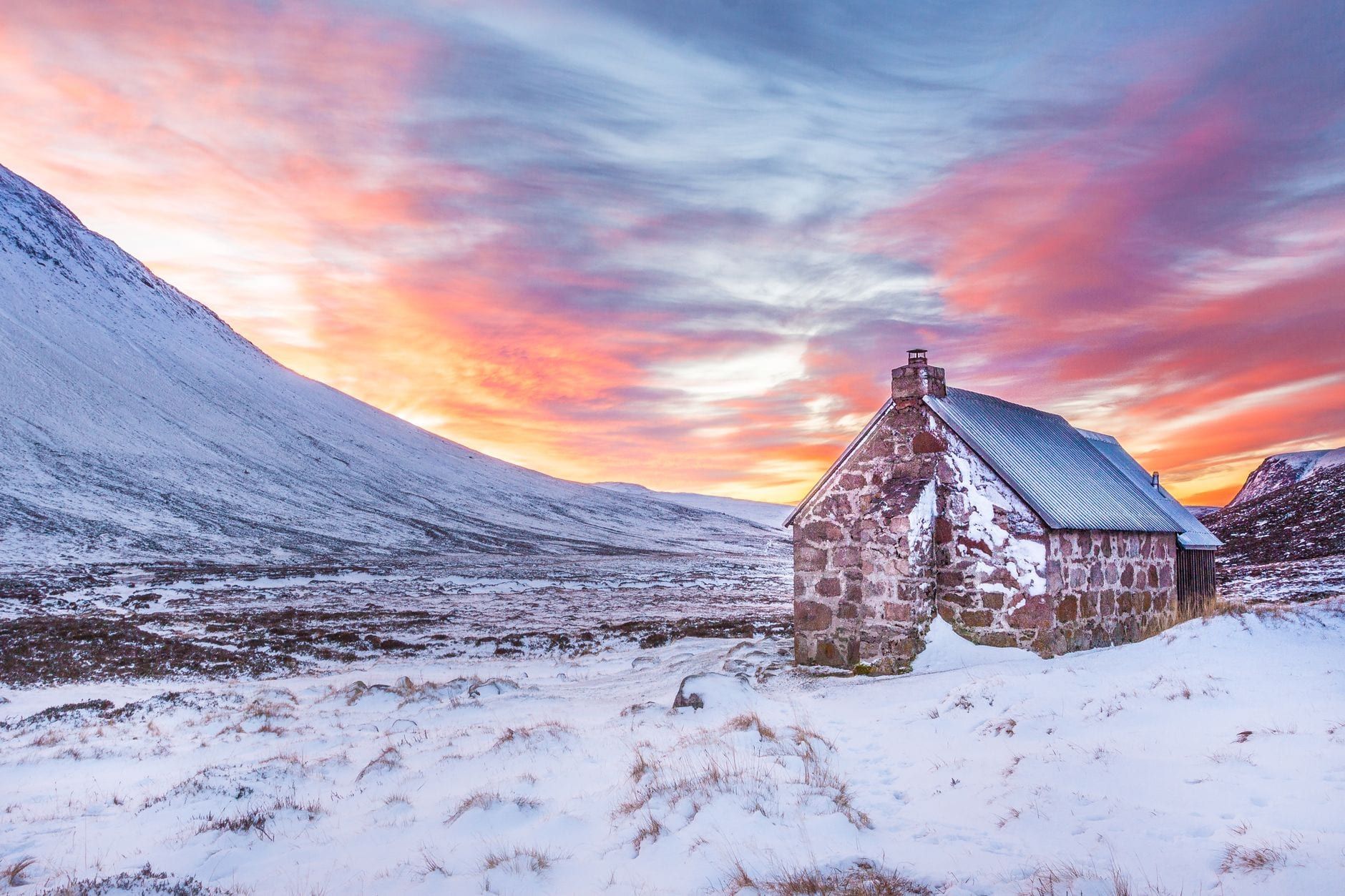
- Free bothies such as Ryvoan and Gelder Shiel shelter mountain nights — follow Mountain Bothies Association etiquette.
- Weather can flip within an hour, even in summer; carry waterproofs above the forest line.
Frequently asked questions
How many days do you need in the Cairngorms?
Two to three days based in Aviemore covers the funicular, Loch an Eilein, a glen walk and an attraction or two. Organised trips typically run three to five days. Allow a week if you want to bag several of the 55 Munros or tour Speyside's distilleries at leisure.
Do you need a car to explore the Cairngorms?
No. Direct trains reach Aviemore from Edinburgh in under three hours, and local buses cover the main sights — including the Aviemore Adventurer to Cairngorm Mountain, which carries bikes and skis. A car helps for the remote glens, the Snow Roads and distillery hopping.
Is the Cairngorm Mountain funicular open?
It runs seven days a week, weather permitting — high winds close it regularly, so check the Mountain Report before booking. The 2 km ride climbs to the Ptarmigan station at 1,097 m in 5–8 minutes; adult day passes are £17.95 online in advance, £19.95 on the day. Outside the snowsports season you cannot leave the top station onto the mountain.
What is the best time of year to visit the Cairngorms?
May–June and September: pleasant temperatures, long daylight and fewer crowds. July–August is warmest and best for families and watersports but busiest. Winter (December–March) suits snowsports, with the most reliable snow in March and early April.
Can you see the Northern Lights in the Cairngorms?
Occasionally, on clear dark winter nights. The Tomintoul & Glenlivet area is a designated Dark Sky Park — the darkest in the UK and the most northerly in the world — but aurora sightings at this latitude are rare. Treat stargazing itself as the reliable draw.
Is Balmoral Castle open to visitors?
Usually from spring until early August, closing while the royal family is in residence. Opening has shifted in recent years, including one full season closed, so check balmoralcastle.com before travelling. The Prince Albert Cairn pyramid walk on the estate is also closed for much of the year.
Can you wild camp in the Cairngorms?
Yes. Scotland's right to roam permits camping on most unenclosed land under the Scottish Outdoor Access Code: small groups, leave no trace, move on every couple of days. Fires and barbecues are banned park-wide from 1 April to 30 September, with fines up to £500 — cook on a stove.
What is the Cairngorms famous for?
It is the UK's largest national park (4,528 sq km), holding five of the UK's six highest mountains and 55 Munros, Britain's only free-ranging reindeer herd, ancient Caledonian pinewoods, Speyside whisky, and the world's most northerly Dark Sky Park.