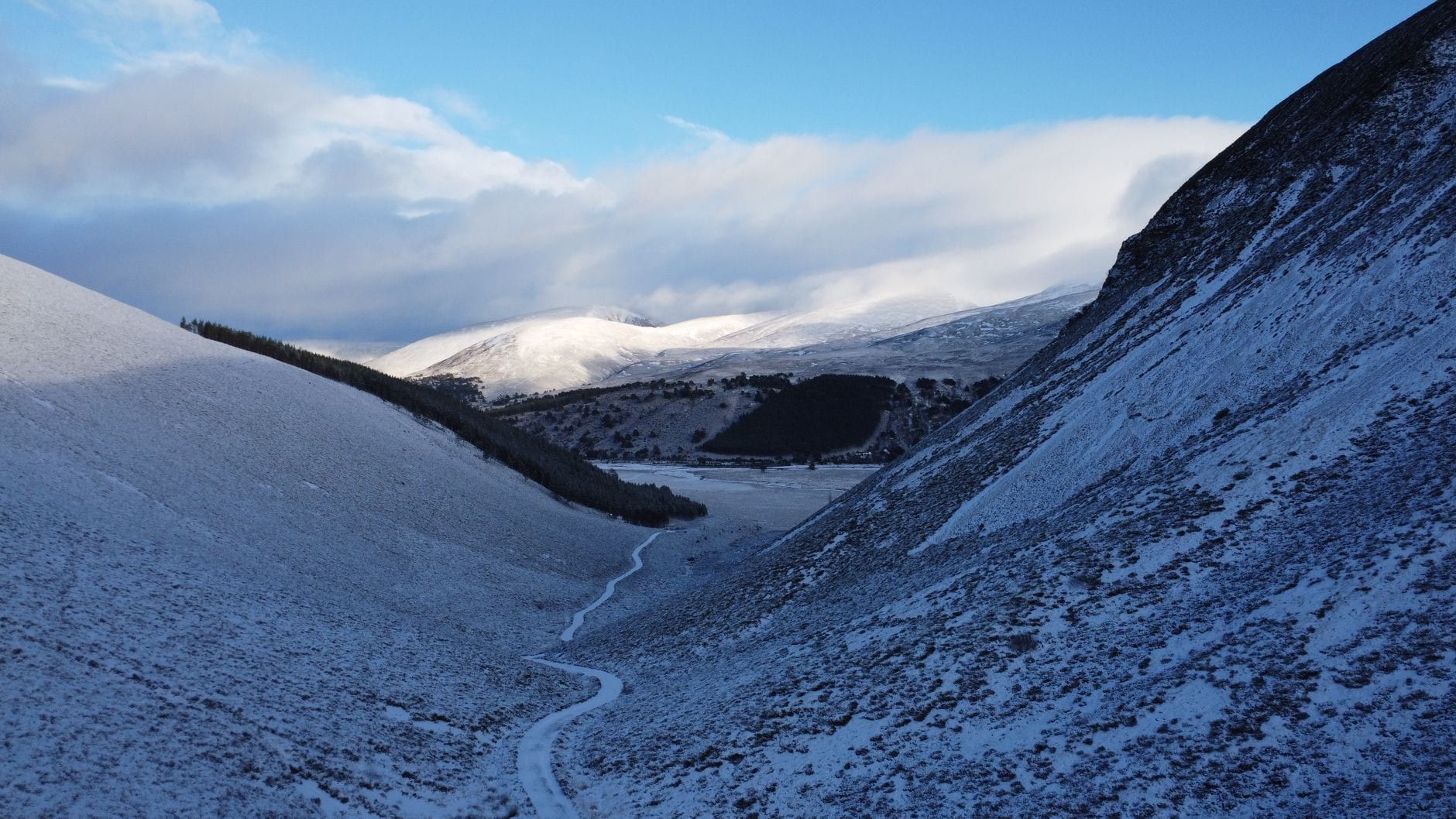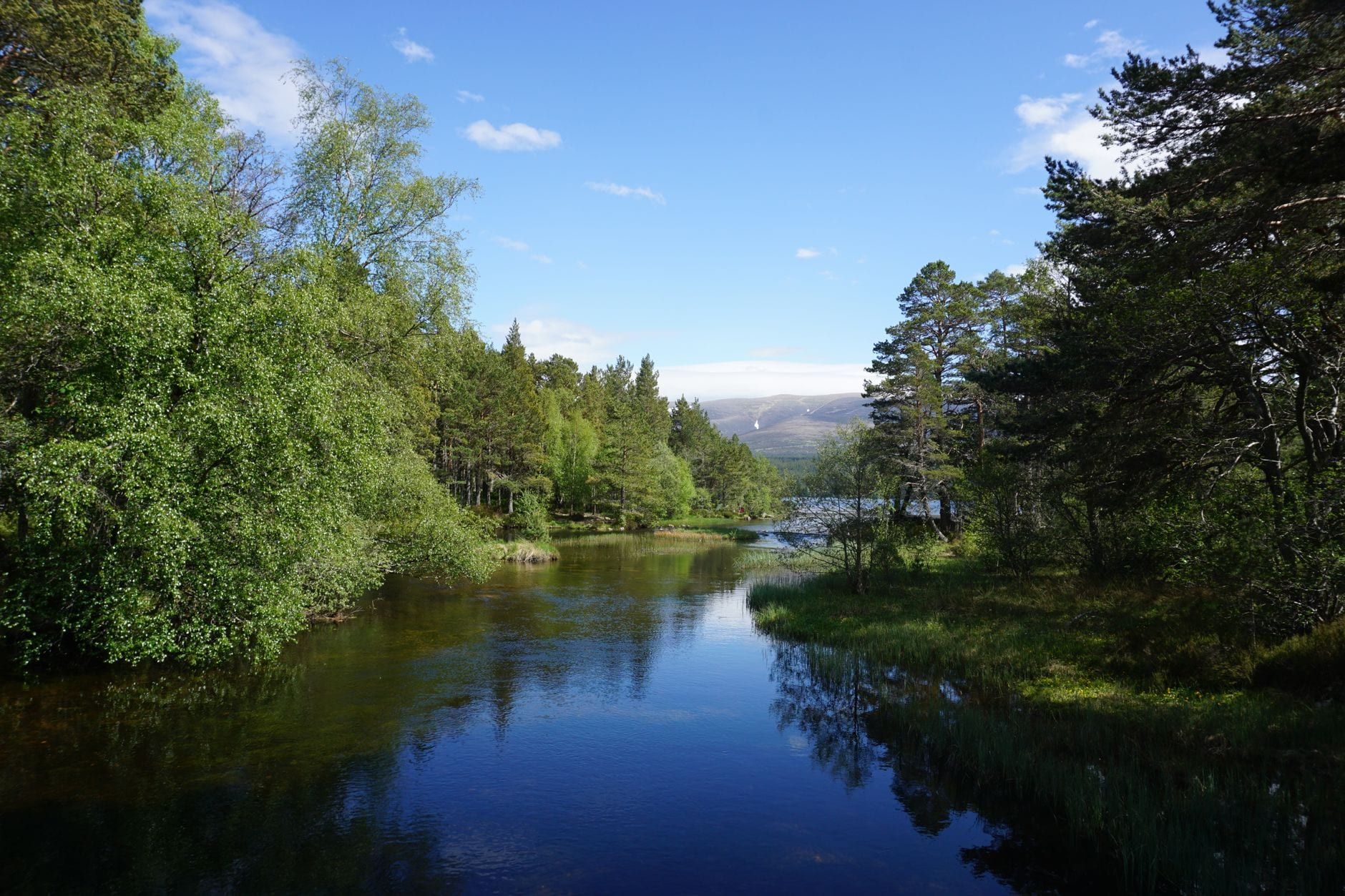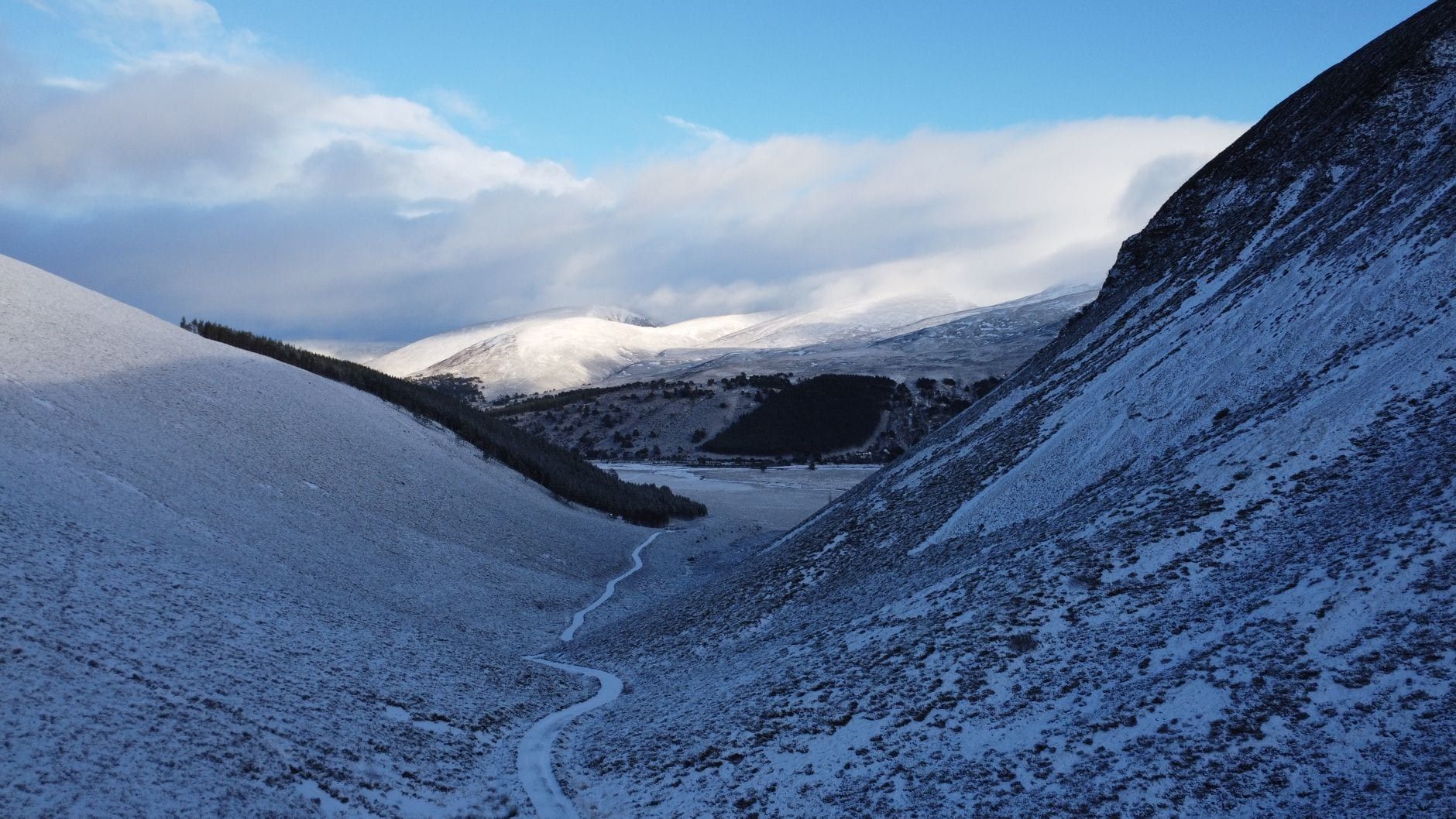
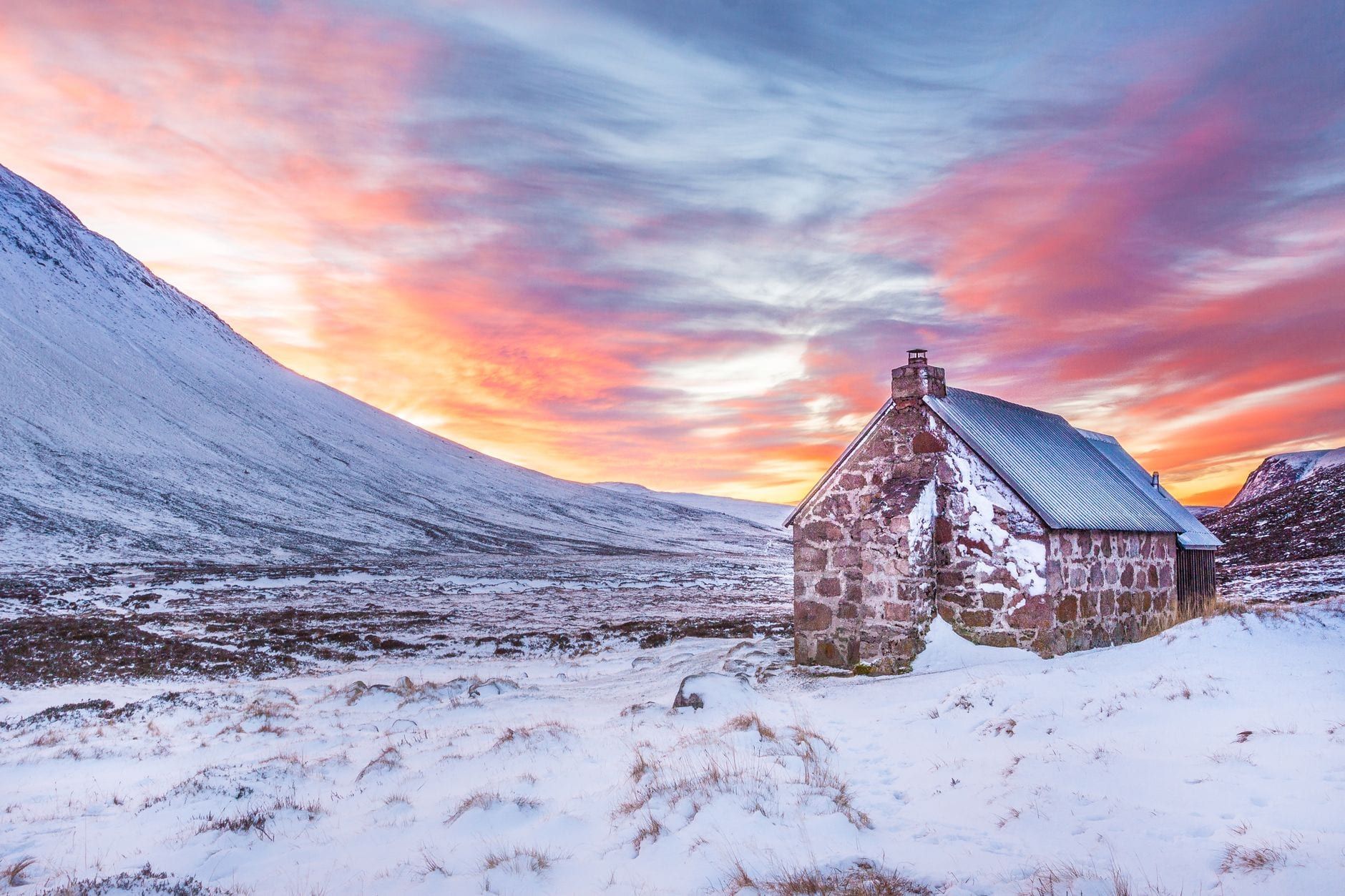
Winter is when the Cairngorms stops pretending to be a gentle Scottish holiday destination and becomes what it actually is: an arctic plateau with a ski resort stuck to the side of it. At 4,528 sq km the UK's largest national park holds five of Britain's six highest mountains, and from December to March it delivers the country's most reliable snow, three separate ski centres, and a free-ranging herd of 150 reindeer.
That comes at a price. Darkness falls as early as 3:30pm in late December, the weather can flip from calm to storm in under an hour, and a fair share of castle interiors and small museums stay shut until April. Plan around those three facts — daylight, weather, closures — and winter here is arguably better than summer. This guide covers the park's winter character in detail, plus everything you need to plan a trip around it.
Why Visit the Cairngorms in Winter?
Because Scotland's winter either works or it doesn't, and in the Cairngorms it works. The mountain massif is a tundra-like plateau above 1,000 m that holds snow patches into summer, which is why three of Scotland's five ski centres sit inside the park's boundary. Down in the glens you get frosted Caledonian pinewood, quiet roads, off-season prices and the Scottish version of hygge — coorie, the art of snuggling in while weather does its worst outside.
The honest trade-offs matter. Daylight drops to roughly seven usable hours in December and January. Valley temperatures hover between -1°C and 5°C, while the plateau runs its own colder, windier climate. And a good number of attractions — Balmoral, most castle interiors, the regular Strathspey steam service — shut or slim down for the season.
So who is winter for? Skiers and snowboarders, obviously. Also wildlife watchers: snow pushes deer and mountain hares into view, and ptarmigan turn white against the hills. Couples after a fire-lit cabin with a hot tub will do well. Families get real value at February half-term and Christmas. If you want long plateau hikes without winter skills, or every museum open, come in May or September instead.
Winter Weather, Daylight and When to Go
Every winter plan in the Cairngorms starts with the clock, not the forecast. Sunset lands around 3:30pm in late December, closer to 4:45pm by late February. That means starting activities by mid-morning, front-loading anything scenic before lunch, and carrying a head torch on every walk. Check the actual sunrise and sunset times for your dates — a mid-January trip and a mid-March trip are different trips.
November is the weakest month: the wettest of the year (around 17 rain days), snow still thin, ski season not started, and many attractions on reduced hours. December brings festive lights in the villages, the earliest sunsets, and the first lifts turning whenever snow allows — the season usually runs December to April. January and February are the coldest and most snow-reliable months; Aviemore averages about 72 mm of precipitation falling as snow in January alone. March is the sleeper pick: longer daylight, late-season snow, and often the most reliable skiing of all right through to early April.
Two weather layers matter. In the valley you'll get frost, low sun and rain turning to snow; above the forest line the plateau is arctic, capable of generating its own storms with drifting snow in any month. A forecast for Aviemore tells you almost nothing about conditions at 1,100 m — that's what the mountain-specific forecasts in the safety section below are for.
Pack for both layers, not one:
- Thermal base layers, fleece, insulated jacket
- Waterproof jacket and trousers
- Boots with real grip, plus microspikes for icy paths
- Head torch and spare batteries
- Hot-drinks flask and spare gloves
Skiing and Snow Sports: the Park's Three Ski Centres
Scotland's ski scene is small, weather-dependent and brilliantly addictive, and the Cairngorms holds three of the country's five centres. All three offer hire and ski school, all three can close on any given day for wind or lack of snow, and all three are best booked for weekdays outside the school holidays if you can. Our separate Cairngorms skiing guide goes deeper on tickets and terrain.
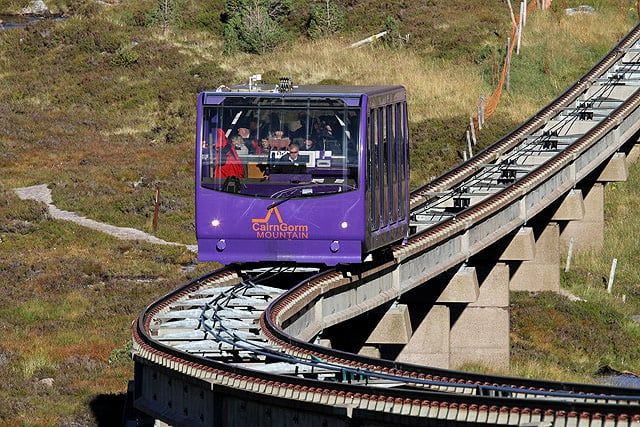
Cairngorm Mountain, reached by the ski road from Aviemore, is the headline act: over 18 miles (30 km) of runs across the northern corries, 13 lifts and a freestyle park. It's also home to Scotland's only funicular, which climbs 2 km from the 635 m Base Station to the Ptarmigan Top Station at 1,097 m in five to eight minutes, putting you at the UK's highest restaurant with a viewing terrace looking down to Loch Morlich. An adult day pass costs £17.95 booked online in advance, £19.95 on the day; the last train up runs at 3:30pm and the last down at 4:30pm. Non-skiers ride the funicular too — it's the park's best all-weather mountain experience. One catch: outside the snowsports season a conservation plan bars funicular passengers from leaving the top building onto the mountain, so walkers must start from the base.
Glenshee, reached from Braemar on the A93, is Scotland's largest ski area — roughly 40 km of pistes spread across three valleys, with terrain from easy greens to steep gullies. There's even a ski-touring ticket that lets backcountry skiers use the lifts for uphill access. If you're confident on reds and want a full mountain, this is the one.
The Lecht, on the A939 between Tomintoul and Strathdon, is the small, family-friendly option: compact, gentle, and a sensible place to put a first-timer on skis. Its low(ish) altitude means it can struggle in lean snow years, but snowmaking backstops the beginner slopes.
| Ski centre | Terrain | Best for |
|---|---|---|
| Cairngorm Mountain | 30 km of runs, 13 lifts | Famous corries, funicular, non-skiers |
| Glenshee | ~40 km of pistes, 3 valleys | Confident skiers, biggest area |
| The Lecht | Compact, gentle slopes | Families and beginners |
Beyond the lifts, the park does sledging seriously. The Hayfield near Loch Morlich, the playpark in Braemar and the hill by the GP surgery in Kingussie are the local favourites, and all free. Cross-country skiers find their best terrain around Glenmore and Braemar when the snow settles, with hire shops nearby; experienced ski tourers head for the plateaus, where the avalanche forecast in the safety section below is non-negotiable reading.
Before driving anywhere, check each resort's own snow report and webcams that morning. High winds close lifts at Cairngorm Mountain routinely, and a bluebird day in Aviemore can still be a whiteout at the top station.
Winter Walks and Hikes for Every Level
You don't need crampons to walk here in winter. The park's forest and loch-side paths hold up well in frost and snow, and a handful of low-level routes are arguably better in January than in July.
Ryvoan Pass and the Green Loch
The walk to An Lochan Uaine — the Green Loch — follows a well-paved forest path from Glenmore through old Caledonian pines, and it's well suited to beginners; the water sits an improbable bottle-green even under ice. The full Ryvoan Pass route from Nethy Bridge to Glenmore runs 16 km with 310 m of ascent, a genuine half-day, so start by 10am. Do just the Glenmore-to-loch out-and-back if daylight is short.
Speyside Way: Boat of Garten to Grantown-on-Spey
This 17.5 km riverside stretch climbs only 150 m and links two villages with bus connections at both ends, so you can walk one way and ride back. With the frost on the birches and the Spey running dark and slow, it's the park's most reliable all-weather day walk.
Loch an Eilein and Loch Morlich
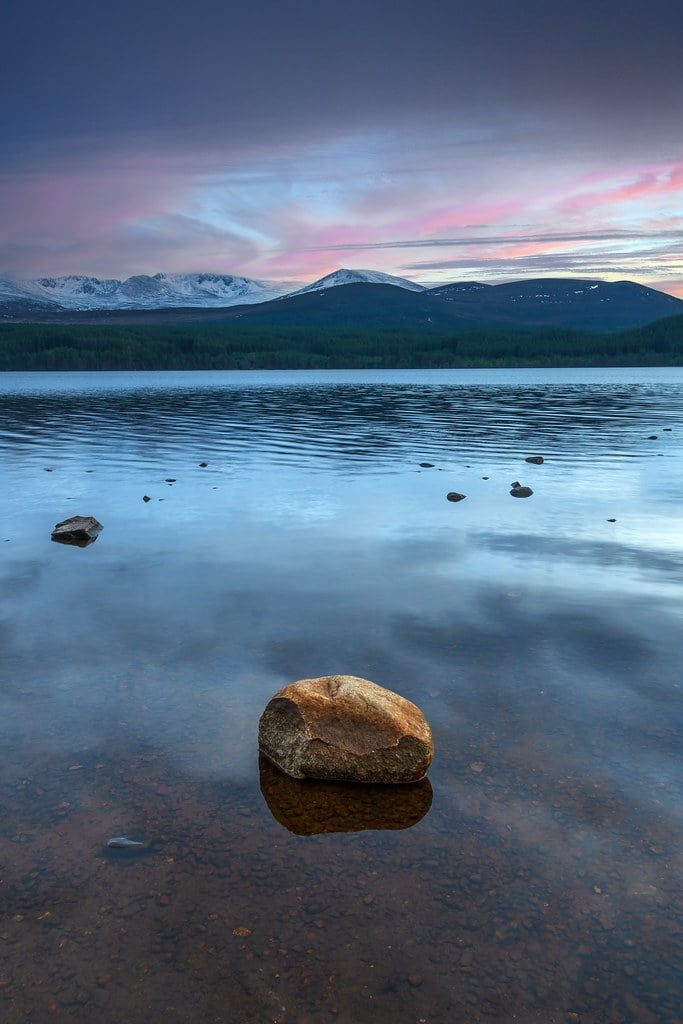
The 5 km circuit of Loch an Eilein is flat and even — once voted among the UK's best picnic spots — with a ruined castle on an islet a few metres offshore mirroring in still winter water. Parking is £4.50 per car. Loch Morlich, with its sandy beach under the Cairngorms, is the sunset spot: time a shoreline stroll for the last hour of light and you'll get snow-capped mountains going pink over the water. That's a 3pm arrival in December.
Glen Feshie to Ruigh Aiteachain bothy
For the adventurous, the 12.5 km walk up Glen Feshie to the Ruigh Aiteachain bothy gains just 150 m and passes through one of the Highlands' most photogenic pine and birch glens. The bothy gives shelter but no facilities, river crossings can be awkward after thaw, and phone signal is patchy — treat it as a proper expedition with a route plan left with someone.
The high tops: a reality check
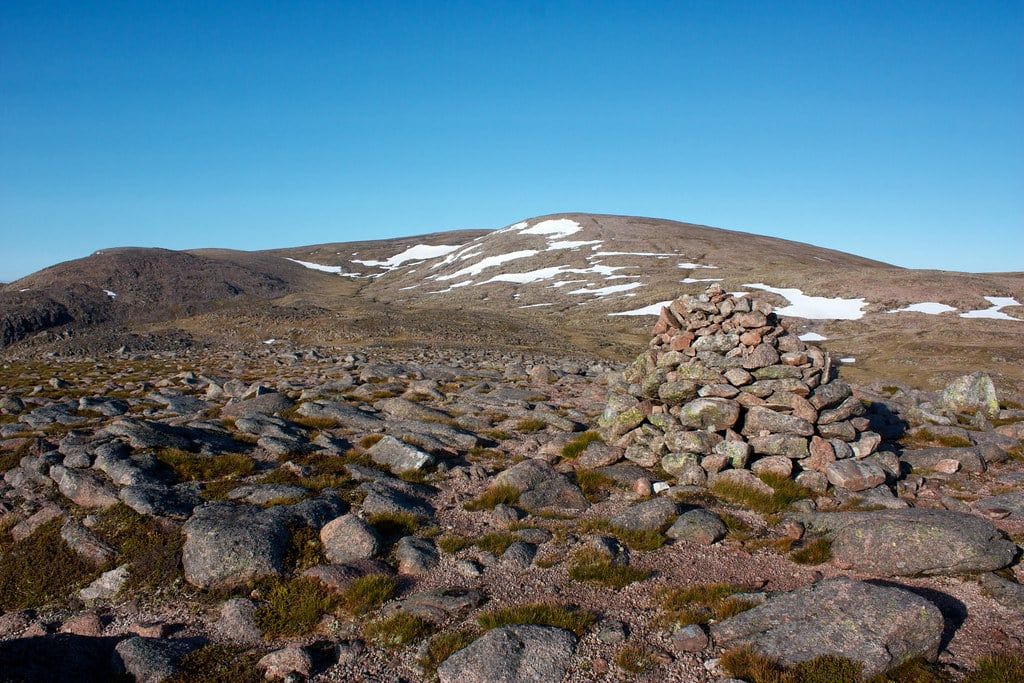
The park contains 55 Munros, including Ben Macdui at 1,309 m — the UK's second-highest mountain. In winter these are arctic terrain, full stop. Ice axe, crampons, map, compass and avalanche awareness are the entry fee, and Ben Macdui's boulder fields in whiteout are notoriously disorienting; Queen Victoria made the summit in 1859, but she didn't do it in January. If you want the high tops without the skills, book a guided winter walking day — guides provide the technical kit. Find routes on WalkHighlands or OS maps, and check the park authority's path-closures page after storms. Mountain bikers: fat bikes handle the snow, and the graded trails at Laggan and Glenlivet work when ice-free.
Winter Wildlife and the Reindeer Herd
Snow is the best thing that ever happens to wildlife watching here. It drives red deer down from the high ground, turns ptarmigan and mountain hares white (which, ironically, makes them easier to spot against dark rock), and concentrates red squirrels, crested tits and crossbills around the pinewood feeders at Abernethy and Rothiemurchus.
The Cairngorm Reindeer Herd
Britain's only free-ranging reindeer herd — about 150 animals, established in 1952 from Swedish stock — roams the Cairngorms above Glenmore, and winter is prime time to meet them. The Cairngorm Reindeer Centre runs guided hill trips out onto the range, where you walk among the herd and hand-feed them; trips are weather-dependent and must be booked in advance, especially around Christmas when demand peaks. If the hill trip is full or the weather kills it, the paddocks at Glenmore offer an easier close-up visit.
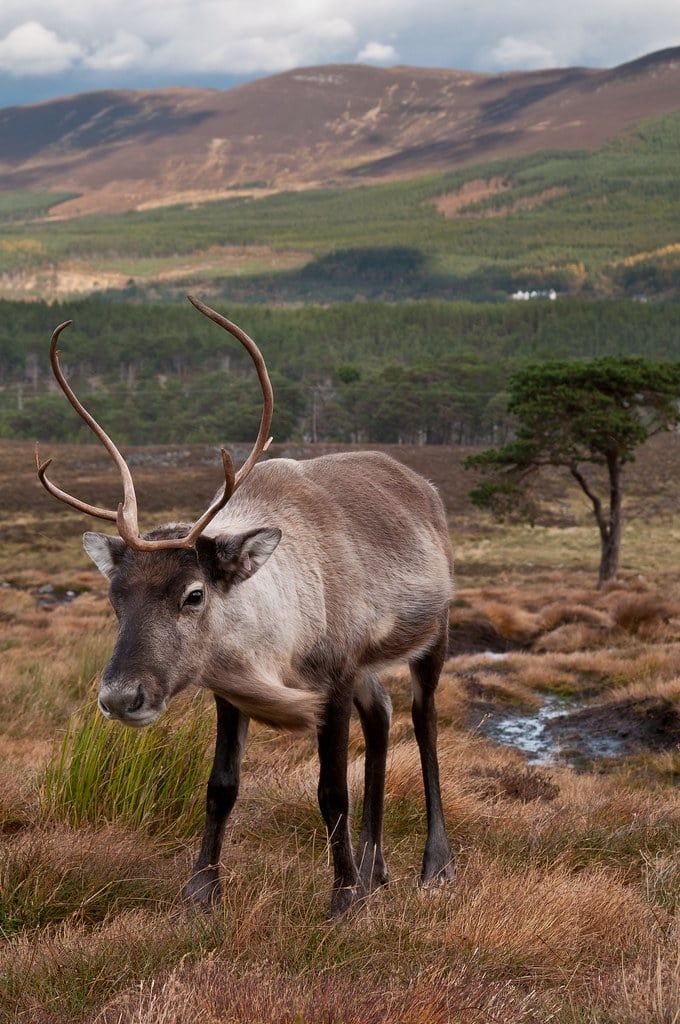
Highland Wildlife Park
At Kincraig, about 20 minutes south of Aviemore, the Highland Wildlife Park keeps cold-adapted species — polar bears, snow leopards, wolves, Scottish wildcats — and it's open every day of winter except Christmas Day, weather permitting. As a drive-through and walking park it doubles as bad-weather insurance, and the animals are genuinely more active in cold conditions than in July.
Two more options. The RSPB's Loch Garten Osprey Centre in Abernethy Forest closes in winter, but the forest trails around it stay open year-round and are prime red squirrel and crested tit territory. For pine martens and badgers, Speyside Wildlife runs day guiding and evening hides — first-time spotters get far more with a guide than alone.
Cosy and Cultural: Whisky, Castles and Rainy-Day Options
The real winter question isn't what to do when the weather's good — it's what to do when it turns. The park's answer is Speyside's distilleries, a handful of open-air heritage sites, and an efficient line-up of indoor backups.
Whisky first. Dalwhinnie, Glenlivet, Royal Lochnagar and Tomatin all have visitor centres inside or on the park's edge, and most tours and tastings should be booked ahead. Scotland's drink-drive limit is strict enough that a tasting flight and driving don't mix — distilleries offer drivers to-go sample cups for later, but the better solution is a guided whisky tour from Inverness or Aviemore, which handles the road. North of the park, the Malt Whisky Trail strings together several more Speyside distilleries if you're staying several days.
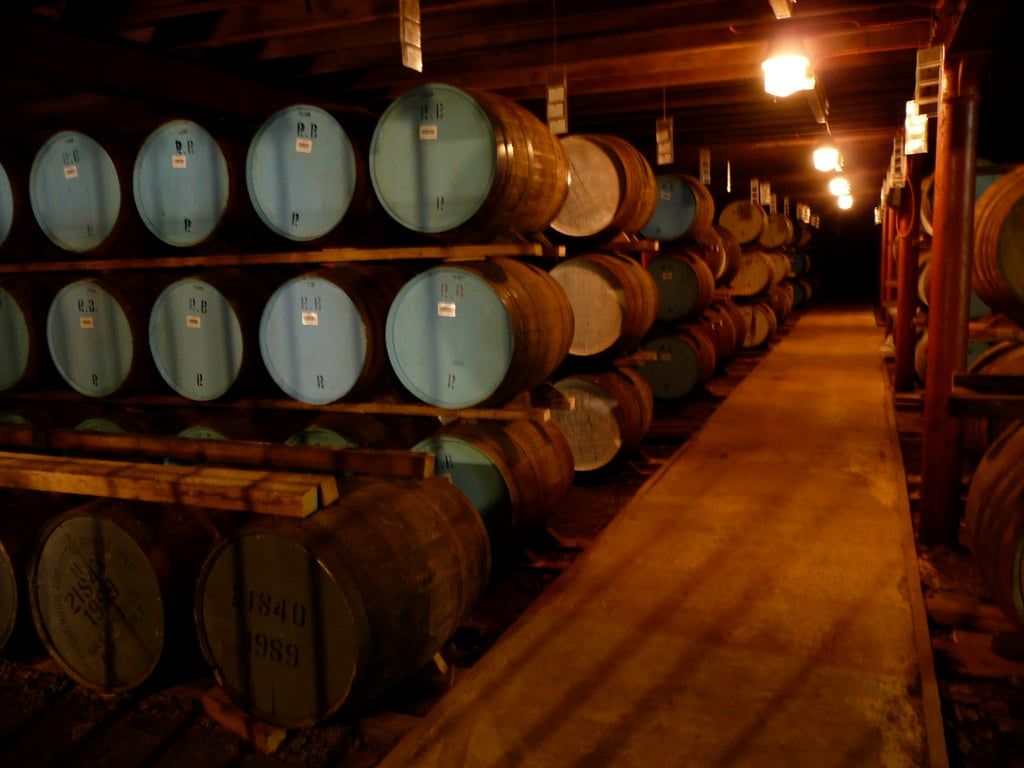
Heritage is hit-and-miss in winter. Braemar Castle's house only opens April to October, but the castle grounds can be explored year-round. Ruthven Barracks near Kingussie — the 1719 army barracks perched above the A9 — is open-air, free and visible in any weather. Most small museums and heritage centres close until April; check before you drive to one. The Strathspey Steam Railway runs no regular winter timetable, only special Christmas and New Year services, so check dates if a steam ride matters to your trip.
Indoor and all-weather backups, roughly in order of reliability:
- Aviemore Ice Rink — open daily, all-weather
- Loch Insh's outdoor 'Glice' rink overlooking the loch
- Highland Wildlife Park at Kincraig
- Landmark Forest Adventure Park at Carrbridge (check winter opening)
- Smugglers Sauna at Loch an Eilein — wood-fired, 1–4 people, ages 16+, book ahead
Rothiemurchus Estate runs winter activities from its base near Aviemore, though Treezone closes for most of December. If you'd rather build your own list of things to do in the Cairngorms beyond the winter staples, the estate and the Aviemore hub are where most of them cluster.
The Snow Roads and Driving in Winter
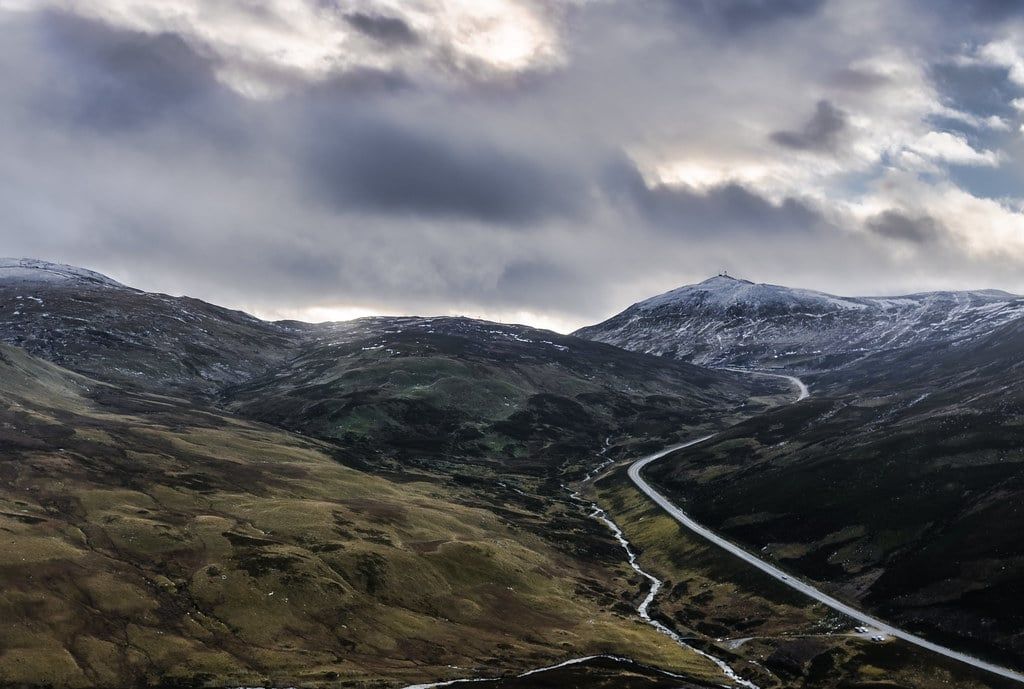
The Snow Roads Scenic Route is the park's signature winter drive: 90 miles from Blairgowrie to Grantown-on-Spey, crossing the Cairnwell Pass at 670 m — the highest public road in Britain — and linking Glenshee and The Lecht ski centres along the way, with distilleries and Tomintoul (Britain's highest village by some measures) between them. It's a route to drive slowly, on purpose; treat it as the day's activity, not a way to get somewhere faster.
In bad weather, snowgates close sections of it — sometimes for hours, sometimes overnight — so build flex into any day that uses the high passes. Before setting out, check Traffic Scotland's winter-driving advice, the live webcams, the gritter tracker and the snowgate cameras; Visit Cairngorms links all of them from its winter hub. A closed gate in the morning is often open by early afternoon, and vice versa.
Prepare the car as seriously as yourself. Without four-wheel drive, fit winter tyres; pack a shovel, de-icer, ice scraper, torch, blanket and emergency food and water, and never let the fuel tank drop below half in freezing weather — fuel stations are sparse on the eastern side of the park. Average speed cameras cover most of the A9 through the park; stick to the limit and let the scenery do the entertaining.
Planning Your Winter Trip: Getting There, Bases and Itinerary
Logistics in the Cairngorms are simple once you accept two things: a car gives you the most winter freedom, and Aviemore gives you the most options without one. Here's how the pieces fit together.
Getting there
Aviemore, the park's hub, sits about 30 miles from Inverness, 90 from Aberdeen and 130 from Edinburgh; the nearest airports are Inverness and Aberdeen. Trains run the Highland Main Line to Aviemore in under three hours from Edinburgh, and the overnight Caledonian Sleeper from London calls at Aviemore, Carrbridge and Dalwhinnie inside the park — wake up in the Highlands. Full transport options are in our guide to getting there, and the Edinburgh to Cairngorms route piece covers the drive in detail. In winter a car is the practical choice for flexibility, but a car-free trip works from Aviemore: the Stagecoach Aviemore Adventurer bus runs daily between the town centre and Cairngorm Mountain, carrying bikes and skis (£3.20 adult single), and stops near Rothiemurchus.
Where to base yourself
Aviemore is the default: ski hire, the ski bus, restaurants, and the best base if you're car-free. Ballater and Braemar suit the east — Glenshee, Royal Deeside and the Snow Roads — while Grantown-on-Spey serves the north and the Nethy Bridge walks. For somewhere with a fire and a hot tub, browse our Cairngorms accommodation picks; cabins and lodges book out first for February half-term and the festive fortnight, so reserve those dates early.
A three-day winter itinerary
Day 1: Morning at Cairngorm Mountain — funicular up at opening (buy tickets online the day before to save £2 a head), lunch at the Ptarmigan, back down by 2pm. Drive to Loch Morlich for the last hour of light on the beach. Early dinner in Aviemore; kitchens close early in winter.
Day 2: A ski day at whichever centre has the best snow report — or, for non-skiers, a morning reindeer hill trip (booked ahead), an afternoon at the Highland Wildlife Park, and whisky or sauna to finish.
Day 3: The Snow Roads if the forecast is clear, calling at Braemar and Tomintoul; in poor weather, swap it for a distillery visit and a low-level walk like the Loch an Eilein circuit.
Two habits will save your trip. Check opening hours the day before for anything you're counting on, because winter schedules shift weekly. And shop for groceries and fuel before small villages — a shop that's open on Tuesday may not be on Sunday afternoon. For those who'd rather leave the planning to someone else, guided tours of the park handle the driving and the weather calls.
Staying Safe: Mountain and Road Safety Essentials
This is the section the guidebooks skim. The Cairngorm plateau is Britain's most arctic environment: hypothermia is a genuine risk above 1,000 m in any month, the weather can flip within an hour, and there are no easy exits once you're committed. Winter here rewards preparation over optimism.
Start with the avalanche forecast. The Scottish Avalanche Information Service publishes daily hazard forecasts for six mountain areas, including the Northern and Southern Cairngorms, through the winter season — the full service typically starts in mid-December. The forecast page also links the Mountain Weather Information Service's Cairngorms forecast, which is the one to trust for the high ground rather than a valley forecast. Read both the morning you walk, not the night before; hazard ratings change with new snow and wind.
If the forecast, the terrain or your experience gives you pause, hire help. Guided winter walking days come with crampons and ice axes provided, and winter skills courses — Glenmore Lodge near Aviemore is the historic home of them — teach you to use your own kit over a weekend. It's the difference between a mountain day and a mountain incident.
Low-level habits matter too, and they're simple:
- Tell someone your route and expected return time
- Carry a head torch from mid-afternoon — sunset can be 3:30pm
- Take a charged phone, but don't rely on signal in the glens
- Microspikes make icy forest paths genuinely safe
- Flask of something hot: cheap morale
If something does go wrong, dial 999, ask for Police, then ask for Mountain Rescue. Say where you are, what's happened and how many are in your party, then stay put and stay warm. On the roads, the same rule applies with less drama: drive to the conditions, use the gritter map, and turn back rather than push through a closing snowgate.
Cairngorms in Winter: FAQs
Is the Cairngorms worth visiting in winter?
Yes, if you plan around its quirks. You get fewer crowds, lower prices, skiing at three centres, the reindeer herd and very cosy accommodation. Trade-offs: sunset around 3:30–4pm in midwinter, unpredictable weather, and most castle interiors and small museums closed until April.
Does it snow in the Cairngorms, and how cold does it get?
Yes, and reliably so on the high ground. Valley towns like Aviemore typically see -1°C to 5°C in December and January, with roughly 72 mm of precipitation falling as snow in January alone; the plateau above 1,000 m is arctic and holds snow well. January to March is the most snow-reliable period.
What are the daylight hours in the Cairngorms in winter?
Around seven usable hours in December and January — sunrise near 8:45am, sunset as early as about 3:30pm in late December, stretching past 4:45pm by late February. Start activities by mid-morning, plan dinner early, and always carry a head torch.
Which Cairngorms ski centre is best for a first visit?
The Lecht is the easiest place to learn, with compact, gentle slopes. Cairngorm Mountain is the most famous, with 30 km of runs and the funicular to the UK's highest restaurant, and Glenshee is the largest at roughly 40 km of pistes over three valleys. All three are snow- and wind-dependent, so check each resort's snow report and webcams before travelling.
Can you see the reindeer in winter?
Yes — winter is the best time. The Cairngorm Reindeer Herd, Britain's only free-ranging herd (about 150 animals, established 1952), is visited on guided hill trips from the Reindeer Centre in Glenmore. Trips are weather-dependent and should be booked in advance; the Glenmore paddocks are an easier fallback.
Is it safe to drive in the Cairngorms in winter?
Generally yes with preparation. Main roads are ploughed and gritted, but high sections like the Cairnwell Pass on the Snow Roads close at snowgates in bad weather. Check Traffic Scotland, live webcams and the gritter map before setting out, fit winter tyres if you don't have four-wheel drive, and carry a shovel and emergency kit.
What is open in the Cairngorms in winter?
Ski centres (snow permitting), the reindeer hill trips, distillery visitor centres, Highland Wildlife Park (closed only Christmas Day) and all the park's paths and trails. Most small museums and castle interiors close until about April — Braemar Castle's grounds stay open year-round — and the Strathspey Steam Railway runs special festive services rather than a daily timetable.